When to Visit Tarangire National Park
Best Seasons, Wildlife Highlights & Traveller Planning Guide
Tarangire National Park is one of Tanzania’s most seasonal parks — meaning when you visit determines the wildlife you see, the landscapes you experience, and the type of safari you get. This page breaks down every season clearly, helping you choose the perfect time for your journey.
Quick Overview — Best Time to Visit Tarangire
| Season | Months | Highlights | Best For |
|---|
| Dry Season (Peak Wildlife Viewing) | June – October | Massive elephant herds, animals crowding Tarangire River, predators in action | First-time visitors, photographers, families |
| Green Season (Scenic & Peaceful) | November – March | Lush scenery, incredible birdlife, fewer tourists, affordable rates | Birdwatchers, honeymooners, peaceful safari lovers |
| Long Rains (Quietest Period) | April – May | Vibrant green landscapes, low rates, some lodges close | Budget travelers, photographers wanting dramatic skies |
Why Timing Matters in Tarangire
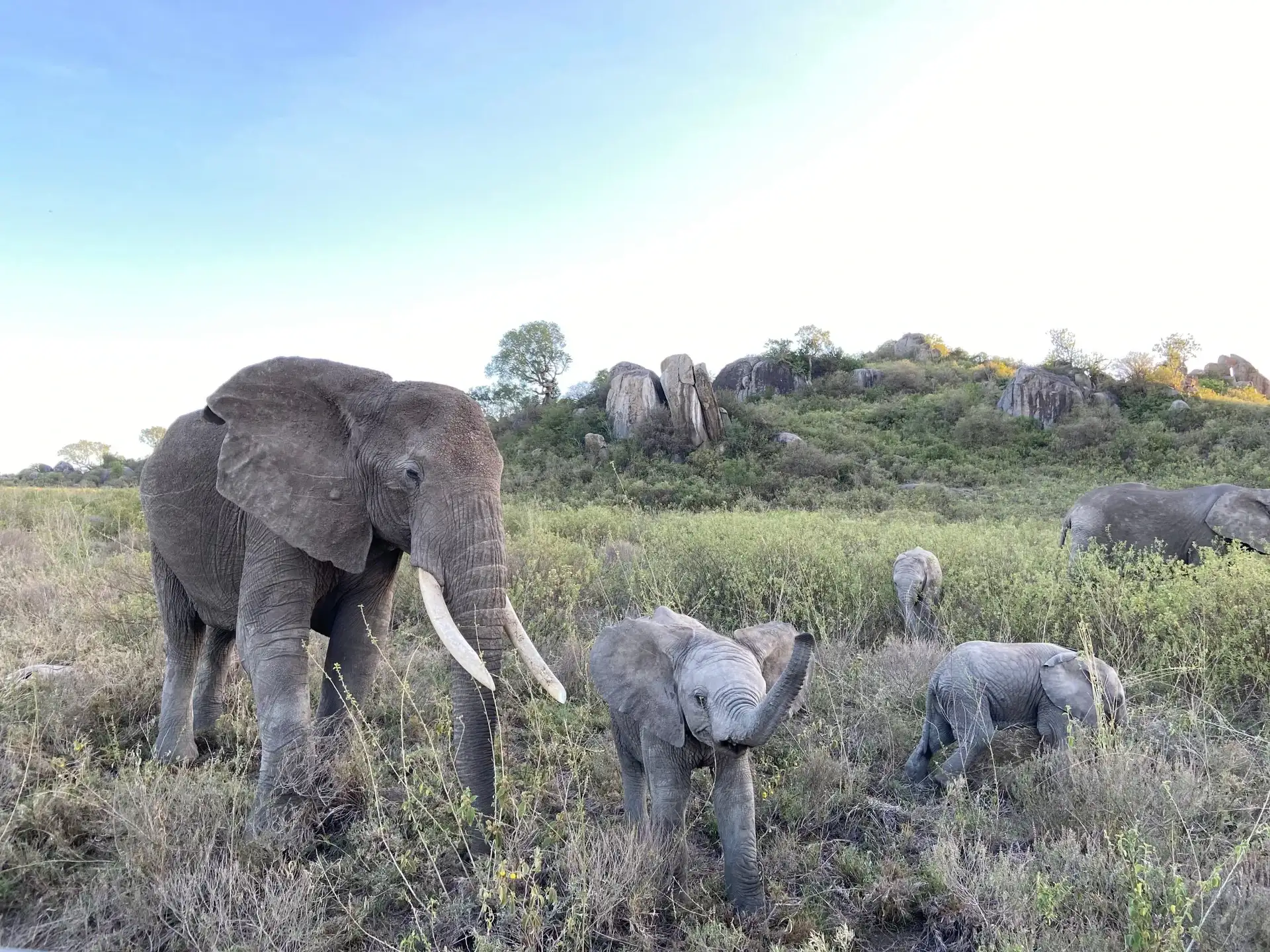
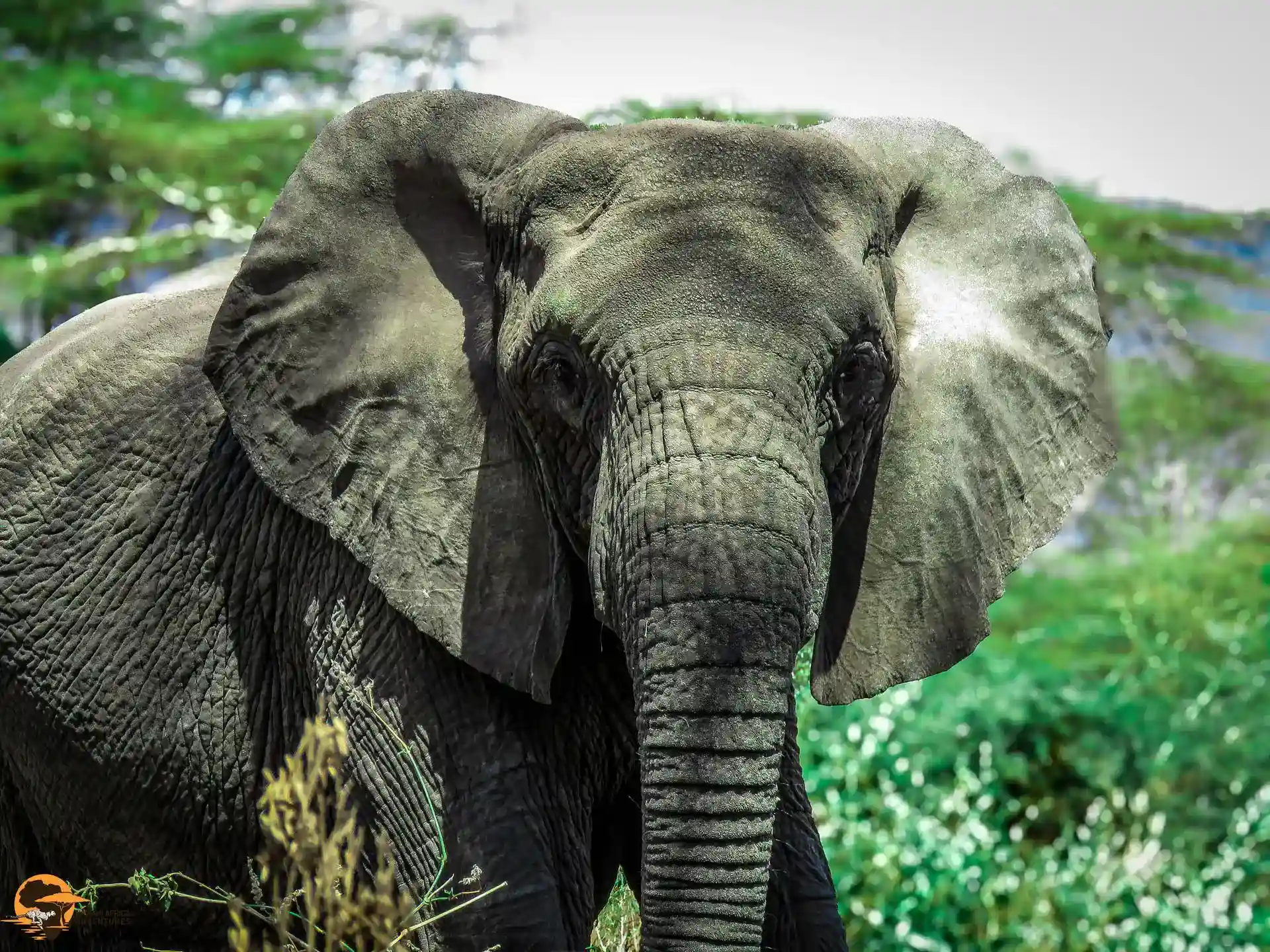
Tarangire changes dramatically throughout the year. During the dry season, the Tarangire River becomes a magnet for wildlife — creating one of the largest elephant gatherings in Africa. In the green season, the park transforms into a lush, photogenic paradise with exceptional bird migrations.
Your travel style = your perfect season.
June to October — The Best Time to Visit Tarangire (Dry Season)
Best Time to Visit Tarangire National Park
This is the peak safari window in Tarangire. Animals migrate from surrounding areas and concentrate around the river and swamps. Expect unreal elephant encounters, dramatic predator sightings, dusty-gold savannahs, and crisp clear skies.
Highlights:
Largest elephant herds in Tanzania
Exceptional predator sightings
Easy wildlife viewing — animals gather around water sources
Low chances of rain
Perfect photography light
Ideal For:
What to Expect:
High demand for camps and lodges
Dry, warm days and cool nights
Best game-viewing in the entire Northern Circuit during this season
November to March — The Beautiful Green Season
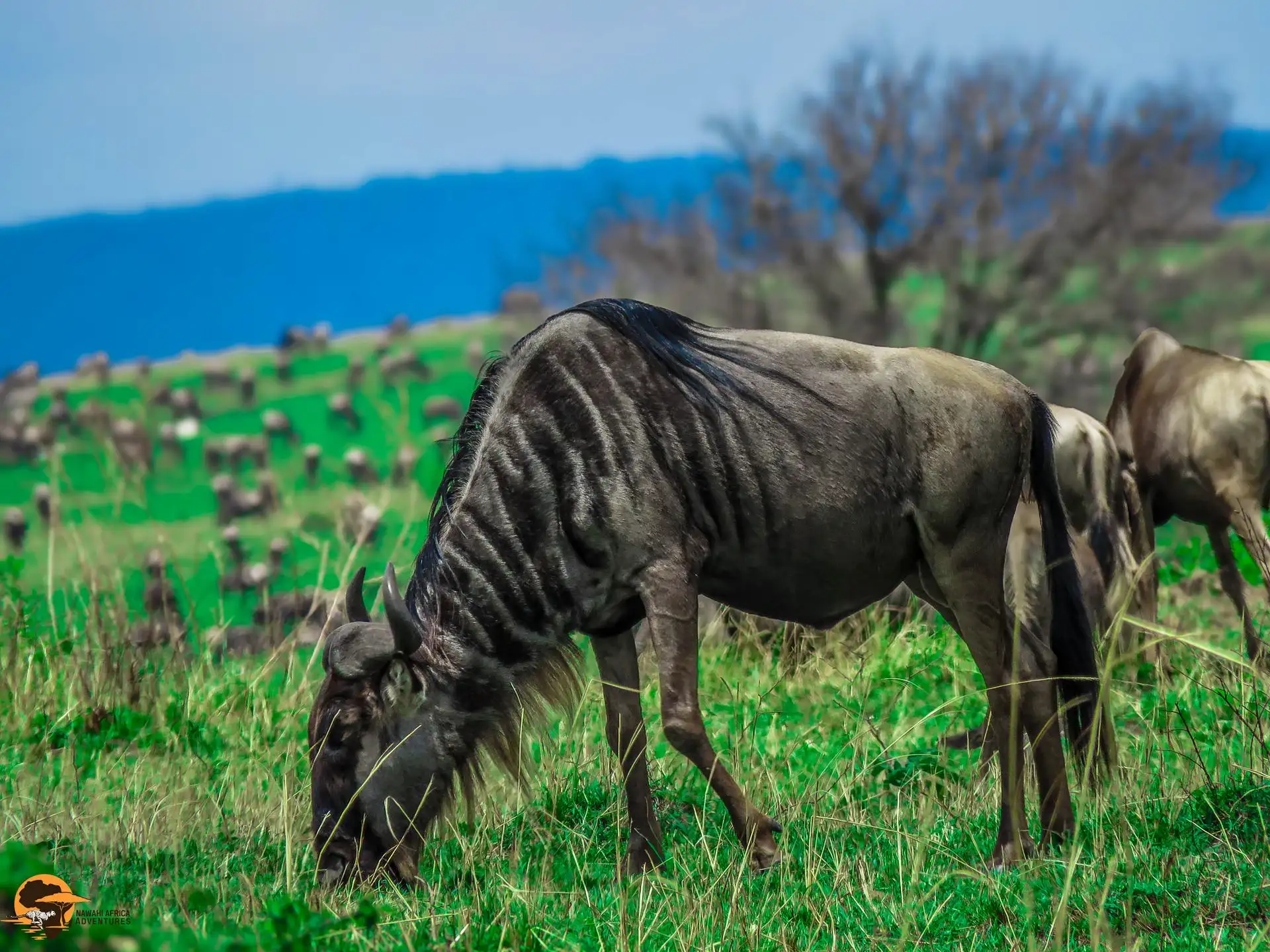
Green Season in Tarangire National Park
This is Tarangire’s most underrated season, filled with beauty, color, and dramatic skies.
Highlights:
Spectacular birdlife (over 550 species)
Lush landscapes and emerald grasslands
Fewer tourists = quiet, exclusive safaris
Baby animals and predator activity around them
Perfect For:
What to Expect:
April to May — The Long Rains Season
Low Season in Tarangire National Park
The long rains bring heavy storms, but also dramatic beauty.
Highlights:
Lush, cinematic landscapes
Lowest lodge rates of the year
Very few visitors
Exceptional photography conditions
Heads Up:
This season works well for adventurous travelers or photographers who want raw nature and solitude.
Tarangire by Month (Detailed Guide)
Perfect for planning your safari around specific interests.
| Month | What to Expect | Wildlife Activity | Weather |
|---|
| January | Lush & green | Great birdlife | Warm, light rains |
| February | Calving period | Predator movement | Warm, green |
| March | Pre-long rains | Mixed sightings | Humid |
| April | Long rains start | Dispersed wildlife | Wet |
| May | Peak rain | Low visibility | Very wet |
| June | Start of peak season | Wildlife gathering | Dry and cool |
| July | Excellent viewing | Elephants galore | Cool mornings |
| August | Peak safari month | Predators active | Dry |
| September | Top month | River packed | Warm days |
| October | Last dry month | Game concentrated | Hot, dusty |
| November | Short rains | Scenic & green | Fresh |
| December | Lush season begins | Birdlife strong | Warm |
Best Time Based on Travel Style
✔ Families
June – October (easy wildlife viewing)
✔ Photographers
August – October & January – March (light, color, contrast)
✔ Birdwatchers
November – March (migratory species arrive)
✔ Honeymooners
November – March (quiet lodges, magical scenery)