
Things to see in Serengeti National Park go far beyond the Great Migration. From endless golden plains to ancient kopjes, diverse wildlife, and dramatic skies, Serengeti offers experiences that surprise even the most seasoned travellers. Most visitors arrive expecting to see wildebeest and zebras on the move, but the park’s true charm lies in what happens when the herds are elsewhere quiet moments with lions, cheetahs, giraffes, and elephants, or the subtle rhythms of the landscape changing with the seasons.
Exploring Serengeti means noticing how the plains stretch endlessly, how light transforms the scenery at sunrise and sunset, and how kopjes rise like islands in a sea of grass. These are the sights, sounds, and moments that make Serengeti unforgettable, proving that the park is much more than a single event.
The Endless Plains That Give Serengeti Its Name
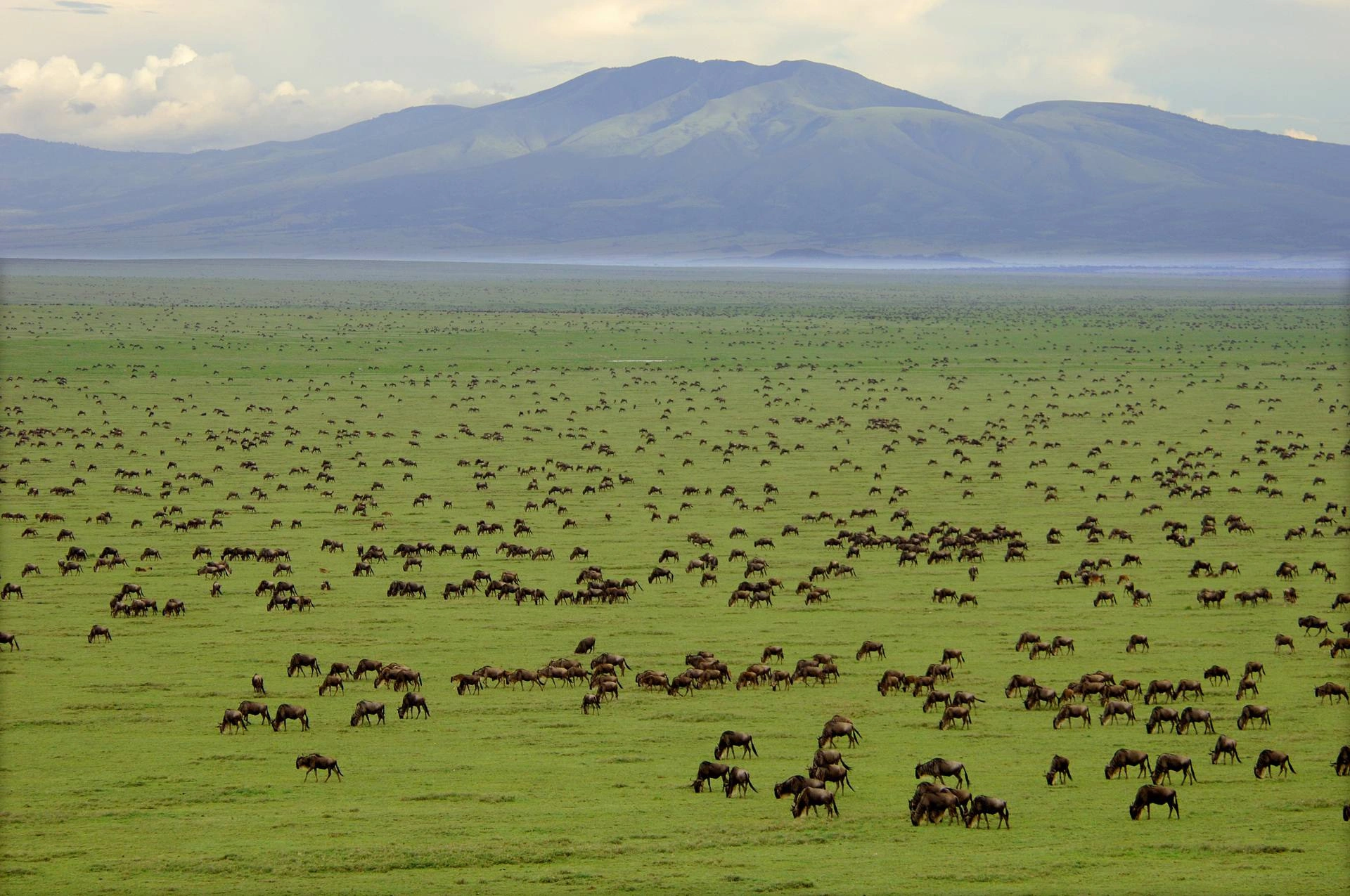
“Serengeti” comes from the Maasai word Siringet, meaning endless plains. This is not poetic exaggeration. It is a physical experience.
Driving through Serengeti, the land stretches so far that distance loses meaning. Trees become rare. Roads dissolve into grass. The horizon feels fixed, no matter how long you drive toward it. This openness is not empty — it is active, alive, and constantly shifting with light and weather.
The plains are where Serengeti reveals its scale. You do not just see wildlife here; you see how small everything else becomes.
Big Cats That Rule the Landscape Year-Round
You do not need the migration to see predators in Serengeti. In fact, some of the park’s most reliable wildlife sightings happen when the herds are elsewhere.
- Lions dominate the ecosystem, often seen resting on kopjes or moving confidently across open grassland in daylight.
- Cheetahs thrive here because the open plains favor speed over ambush.
- Leopards, more elusive, prefer riverine areas where trees and cover allow them to hunt unseen.
What makes Serengeti special is not just the presence of these predators, but how naturally they behave. There is no crowding around sightings, no sense of animals being pushed or staged. Life happens on its own terms.
Kopjes: Stone Islands in a Sea of Grass
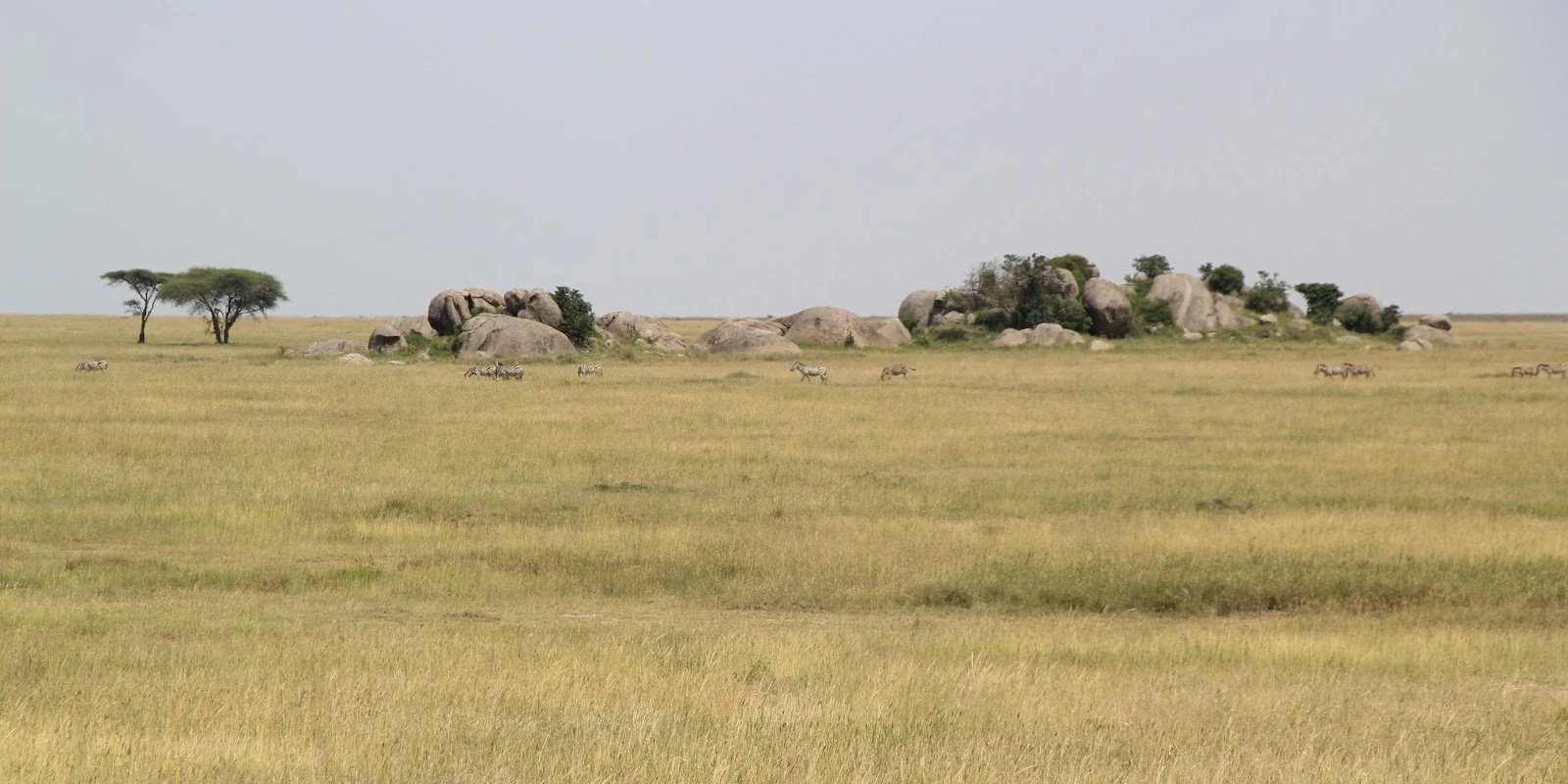
One of the most overlooked features of Serengeti National Park is its kopjes — ancient granite rock formations rising suddenly from the plains.
Kopjes act as:
- Lookout points for predators
- Shelter from heat and rain
- Territorial landmarks for lions
They also tell a geological story that is far older than the animals themselves. Some kopjes are millions of years old, shaped by erosion long before the Serengeti ecosystem existed as we know it today.
If you want to understand how the land shapes wildlife behaviour, kopjes are the key.
Elephants, Giraffes, and the Quiet Giants of Serengeti
Away from the drama of predators and prey, Serengeti is home to animals whose presence is felt more than announced.
Elephants move slowly through woodland areas, often at dawn or late afternoon. Giraffes browse silently, barely acknowledging vehicles as they feed. These encounters are calm, unhurried, and deeply grounding.
They remind you that Serengeti is not just about adrenaline. It is about rhythm.
The Serengeti Sky: An Attraction on Its Own
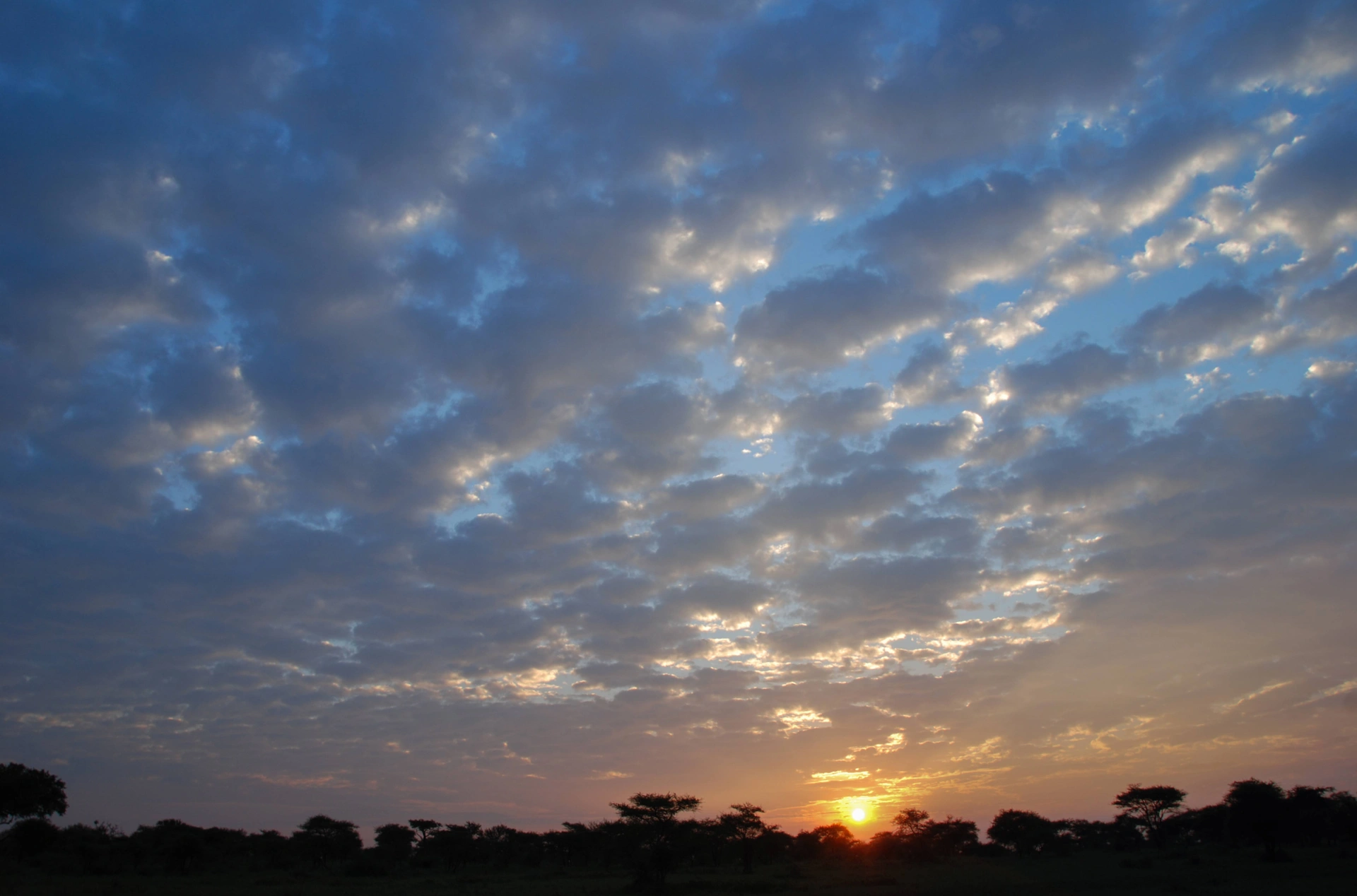
Few places on Earth change character as dramatically with light as Serengeti.
- Early mornings soften the plains into pale gold.
- Afternoon storms build slowly, visible from miles away.
- Evenings stretch endlessly as the sun sinks without obstruction.
- At night, the sky opens completely, free from artificial light.
Many visitors remember the sky as clearly as the wildlife. It frames everything else and quietly becomes one of the park’s greatest features.
The Great Migration may be the headline, but Serengeti National Park is the full book.
It is a place of scale, patience, and subtlety. A place where wildlife does not rush and nothing exists for spectacle alone. When you stop looking only for what you expect to see, Serengeti shows you far more than you imagined.
Come for the migration if you must — but stay for everything else.
Wildlife Moments You Can’t Schedule
Some of Serengeti’s most memorable moments are unscripted:
- A lion yawning beside the road
- A hyena calling at dawn
- A herd of zebra frozen mid-step
- The stillness before a sudden storm
These moments cannot be promised, but they define the real Serengeti experience.
Silence: Serengeti’s Most Unexpected Feature
No one warns you about the silence.
There are moments in Serengeti when engines are off, the wind settles, and nothing moves. No traffic. No voices. No background noise. Just space.
In a world that rarely goes quiet, this absence of sound becomes one of the park’s most powerful experiences. It stays with you longer than photographs ever could.
Final Thoughts: Serengeti Is More Than a Single Story
The Great Migration may be the headline, but Serengeti National Park is the full book.
It is a place of scale, patience, and subtlety. A place where wildlife does not rush and nothing exists for spectacle alone. When you stop looking only for what you expect to see, Serengeti shows you far more than you imagined.
Come for the migration if you must — but stay for everything else.
FAQs
What can I see in Serengeti National Park besides the migration?
Endless plains, kopjes, lions, cheetahs, leopards, elephants, giraffes, riverine forests, dramatic skies, and seasonal landscape changes.
Is Serengeti worth visiting outside migration season?
Yes. Wildlife, landscapes, and unique Serengeti experiences are available year-round.
When is the best time to visit Serengeti for non-migration experiences?
Serengeti can be enjoyed year-round. Dry season is ideal for spotting concentrated wildlife, green season for lush landscapes.
