Kilimanjaro Travel Advice
Climbing Mount Kilimanjaro is not just a hike — it’s a high-altitude expedition that demands preparation, awareness, and the right decisions before you even arrive in Tanzania. This Kilimanjaro travel advice page is designed to help you climb smarter, safer, and with confidence, whether it’s your first trek or a return challenge.
From health considerations and altitude management to packing tips and local regulations, these insights will help you avoid common mistakes and maximize your summit success.
Health & Altitude Considerations
Altitude is the single biggest challenge on Mount Kilimanjaro. Even very fit climbers can struggle if they underestimate how the mountain affects the body.
Take time to acclimatize properly by choosing longer routes and following a slow ascent pace. Drink plenty of water, eat regularly, and communicate openly with your guide about any symptoms such as headaches, nausea, or dizziness.
It’s strongly advised to consult a medical professional before your trip, especially if you have heart, lung, or blood pressure conditions. Carry recommended altitude medication if prescribed, but never rely on it as a substitute for acclimatization.
Choosing the Right Route & Duration
Not all Kilimanjaro routes are equal. Some prioritize scenery, others focus on acclimatization and summit success.
Longer itineraries (7–9 days) significantly improve your chances of reaching Uhuru Peak compared to rushed schedules. Routes with gradual elevation gain allow your body to adapt naturally, reducing the risk of altitude sickness.
Avoid choosing a route based on price alone — shorter and cheaper climbs often lead to lower success rates and higher health risks.
What to Pack for Mount Kilimanjaro
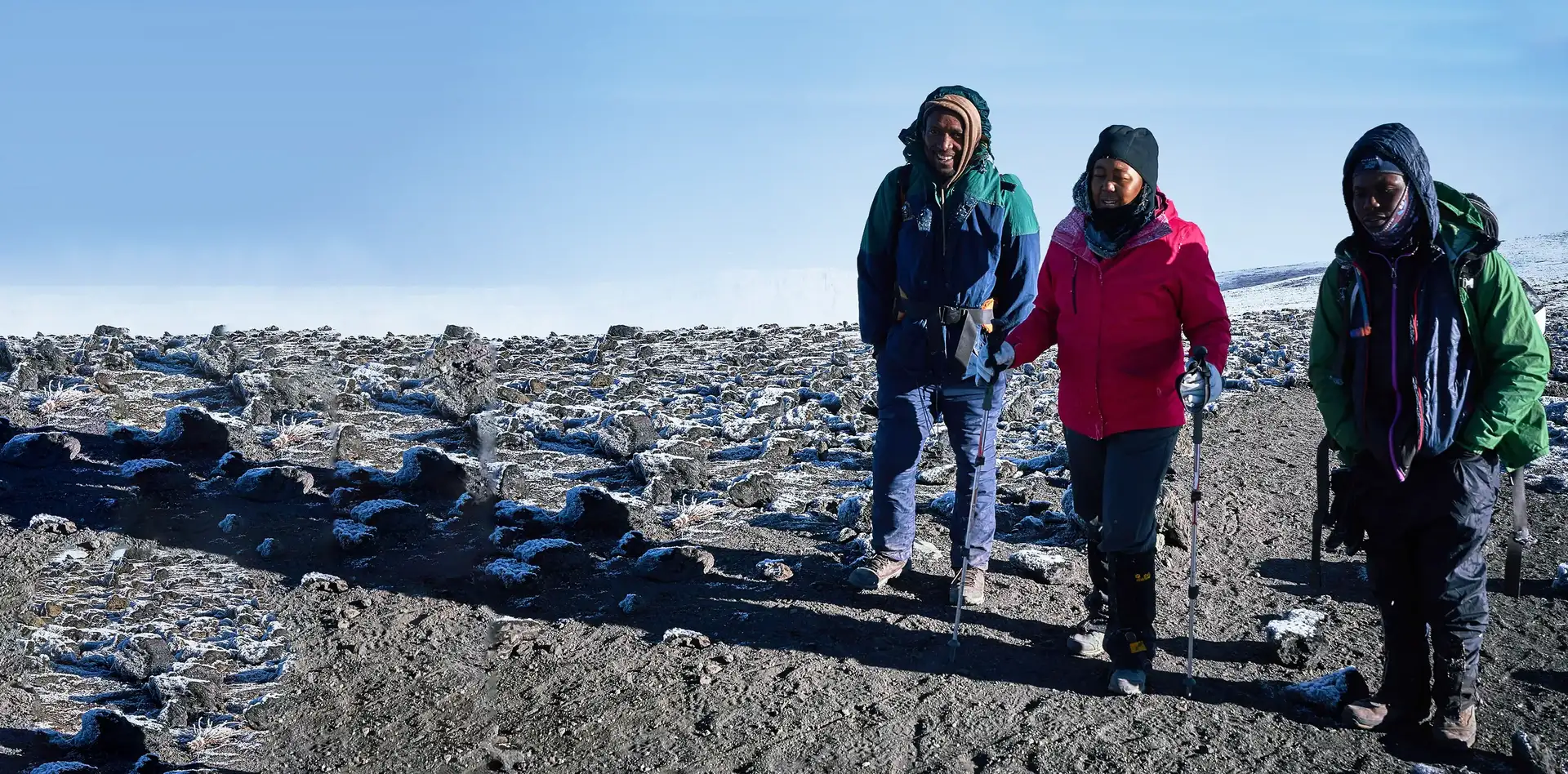
Packing correctly can make or break your climb. Temperatures on Kilimanjaro range from tropical heat at the base to arctic cold near the summit.
Key essentials include layered clothing, a quality insulated jacket, waterproof outerwear, broken-in hiking boots, thermal socks, gloves, and a warm sleeping bag. Sunglasses and sunscreen are crucial due to strong UV exposure at altitude.
Pack light but smart — porters carry your main bag, but your daypack should include water, snacks, rain protection, and personal essentials.
Safety, Guides & Park Regulations
Climbing Mount Kilimanjaro independently is not permitted. All climbers must be accompanied by licensed guides and registered through an authorized operator.
Professional guides monitor your health daily, manage pace, and make critical decisions if conditions change. Always follow their instructions — safety takes priority over summiting.
Kilimanjaro National Park has strict regulations to protect both climbers and the environment. Respect waste management rules, stay on designated trails, and follow Leave No Trace principles throughout your climb.
Travel Insurance & Emergency Preparedness
Comprehensive travel insurance is essential for Kilimanjaro. Your policy should cover high-altitude trekking, emergency evacuation, and medical treatment.
While serious incidents are rare, evacuation logistics at altitude can be complex and costly without insurance. Make sure your coverage explicitly includes trekking above 5,000 meters.
Best Time & Weather Awareness
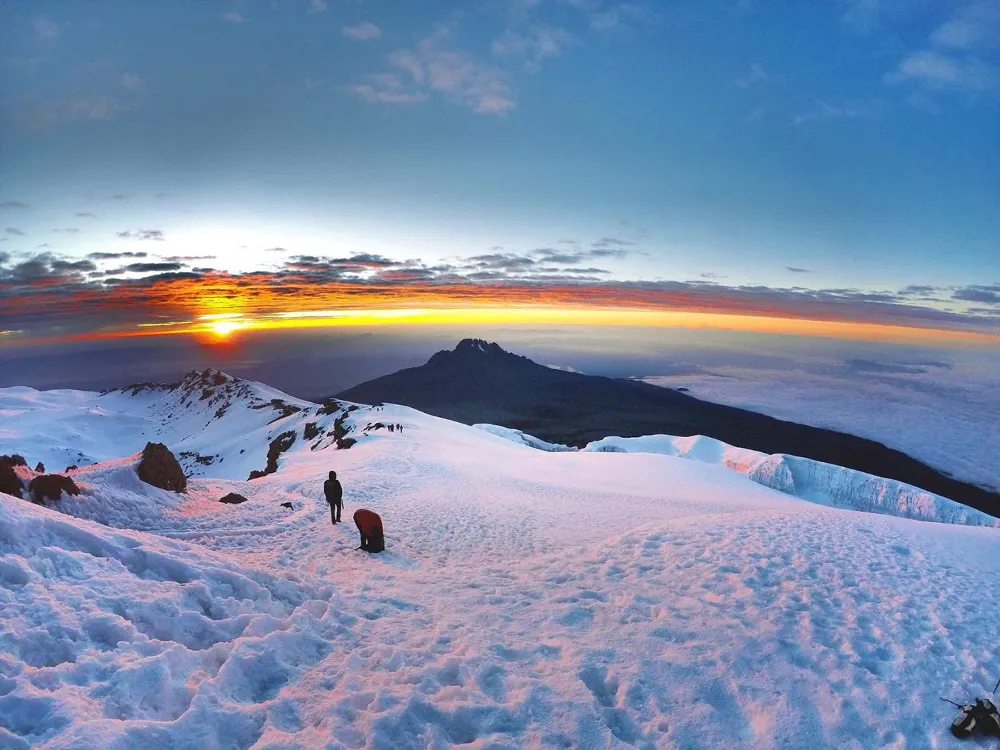
Weather on Kilimanjaro can change quickly. Even during dry seasons, conditions near the summit are cold and unpredictable.
Prepare for wind, snow, and freezing temperatures regardless of the month. Flexibility and mental resilience are just as important as physical preparation.
Cultural Awareness & Responsible Travel
Mount Kilimanjaro is not only a natural wonder but also part of local heritage. Treat your guides, porters, and mountain crew with respect — fair wages, ethical treatment, and proper tipping matter.
Responsible travel ensures a positive experience for everyone involved and helps preserve Kilimanjaro for future generations.
Final Advice Before You Climb
Success on Mount Kilimanjaro is not about speed or strength alone — it’s about preparation, patience, and mindset. Listen to your body, trust your guides, and focus on the journey as much as the summit.
A well-planned climb doesn’t just increase your chances of reaching Uhuru Peak — it ensures the experience is memorable, safe, and deeply rewarding.