
If you are searching for the Best Time to Visit Tanzania for Safari and Great Migration, you are already thinking about wildlife movement, dry season skies, and the dramatic Mara River crossings. But timing your travel dates is only half the equation. The other half is knowing when to book Tanzania safari before high season demand reshapes availability, pricing, and lodge options.
Because in Tanzania, peak wildlife season and peak booking season are not the same thing. And the travelers who understand this difference experience a completely different safari.
Understanding High Season for Safari Planning
From June through October, Tanzania enters its dry season. Grass shortens, water sources shrink, and wildlife gathers around rivers and permanent waterholes. Predator sightings increase, and visibility improves dramatically.
This is why many experts consider this period the Best Time to Visit Tanzania for Safari and Great Migration.
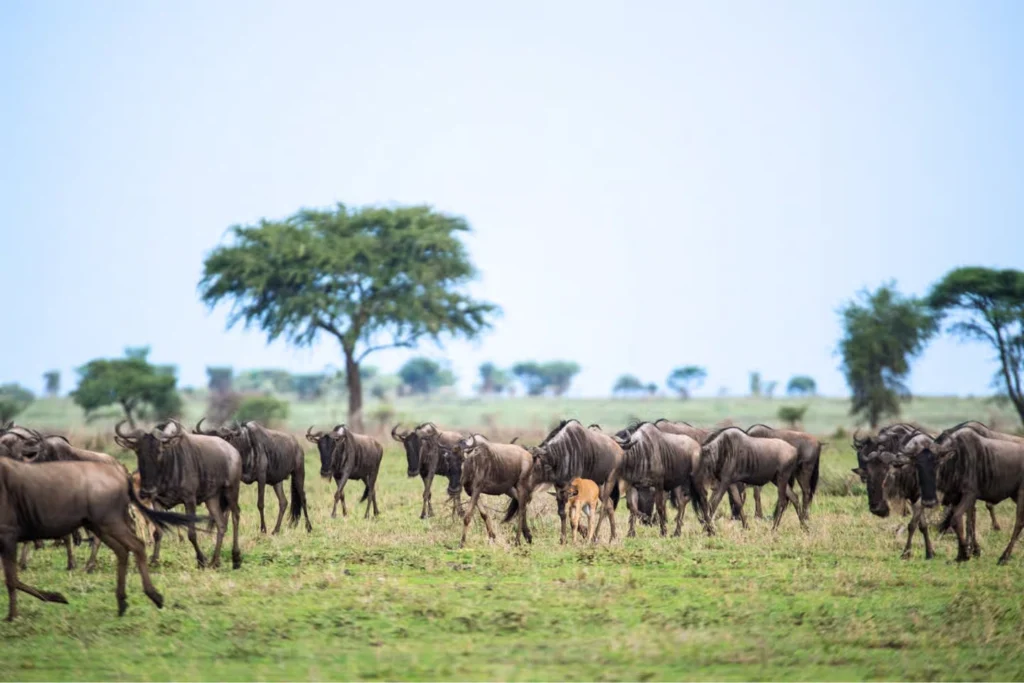
In northern Serengeti, herds move toward the Mara River. Tension builds along crossing points. Crocodiles wait below the surface. Dust hangs in golden light. Photographers, conservationists, and seasoned safari travelers all recognize the magic of this season.
But while wildlife becomes easier to find, accommodation becomes harder to secure. That is why experienced planners always book Tanzania safari before high season fills the most strategic camps.
The Cost of Waiting
Many travelers spend months researching, watching documentaries, and comparing itineraries. But safari availability does not wait for perfect certainty.
By the time someone decides to move forward in April or May for a July trip, premium tented camps near the Mara River are often already full.
What remains for late planners?
- Split stays across different camps
- Longer drives to migration zones
- Higher category rooms only
- Reduced flexibility on internal flights
Booking early secures prime positioning rather than settling for what remains.
The Financial Side of Early Booking
High season rates are published in advance. But category availability impacts actual cost.
Once standard rooms sell out, only premium suites remain — automatically increasing nightly spend.
Those who understand the Best Time to Visit Tanzania for Safari and Great Migration combine this knowledge with early booking strategy. It transforms a reactive safari into an intentional one.
Migration Timing Is Everything
The Great Migration follows rainfall patterns, not a calendar. Historical movement shows river crossings often intensify between July and September, but nature remains unpredictable.
Northern Serengeti camps closest to crossing points are limited and fill first. Travelers who wait for confirmation often discover that the most strategic camps are gone.
The best safari combines seasonal wildlife behaviour, historical movement patterns, lodge availability, and booking strategy. And booking early always rewards flexibility.
Quick guide for travellers: understand wildlife highlights, river crossings, and when to book Tanzania safari before high season fills top camps.
| Month | Wildlife Highlights | River Crossings | Camp Availability | Booking Recommendation | Notes |
|---|---|---|---|---|---|
| June | Early migration movement, post-rain greenery | Limited | High, but still space | Book now to secure prime locations | Cooler mornings, fewer tourists than July |
| July | Peak Mara River crossings start | Moderate to High | Medium, premium tents filling | Secure top camps immediately | High demand, sunrise game drives ideal |
| August | Dry season peak, wildlife concentrated | High | Medium to Low | Book early, consider flexible internal flights | Stunning photography light, camps near river cross points sell fast |
| September | River crossings at maximum intensity | High | Low | Booking required months in advance | Largest herds, ideal for river crossing photography |
| October | Migration moving north, predators active | Moderate | Low | Confirm all camps now | Warm days, dry landscapes, last chance for peak sightings |
Beyond the Serengeti
Dry season benefits extend beyond the northern migration corridor.
- Tarangire National Park: Elephants gather along the river, creating unforgettable viewing.
- Ngorongoro Crater: Wildlife density remains strong, and visibility improves in dry months.
- Ruaha and Nyerere: Predator sightings increase as animals concentrate near permanent waterholes.
Clear skies also enhance photography, early morning comfort, and road conditions — reinforcing why June to October is the Best Time to Visit Tanzania for Safari and Great Migration.
Planning with Confidence
Securing your safari months ahead transforms anticipation. Instead of stress, you plan experiences: sunrise drives, bush breakfasts, cultural visits.
When you book Tanzania safari before high season, you design your journey around inspiration, not limitation.
Travel Questions Answered
- Is June better than October?
June offers greener post-rain landscapes and early migration movement. September and October offer concentrated wildlife and intense river crossings. - How far in advance should I book?
Six to nine months for high season travel, especially for migration corridor camps. - Does early booking always save money?
Not necessarily lower rates, but it ensures choice and value. - What if migration shifts unexpectedly?
Professional itinerary design adjusts locations strategically, but space is limited without early booking.
The Emotional Difference
Early confirmation creates calm anticipation. Travelers move from “what is left?” to “what do I want?”
Peak experience begins when you book Tanzania safari before high season demand transforms opportunity into limitation.
Professional Reflections on Timing, Value, and Control
Safari planning aligns intention with opportunity.
Dry season from June to October delivers the strongest wildlife visibility, but peak experience begins when you act early. Booking early gives choice, anticipation, and strategic positioning.
Wildlife follows instinct; availability follows demand. Be positioned where you hoped to be — and unforgettable safaris begin.
