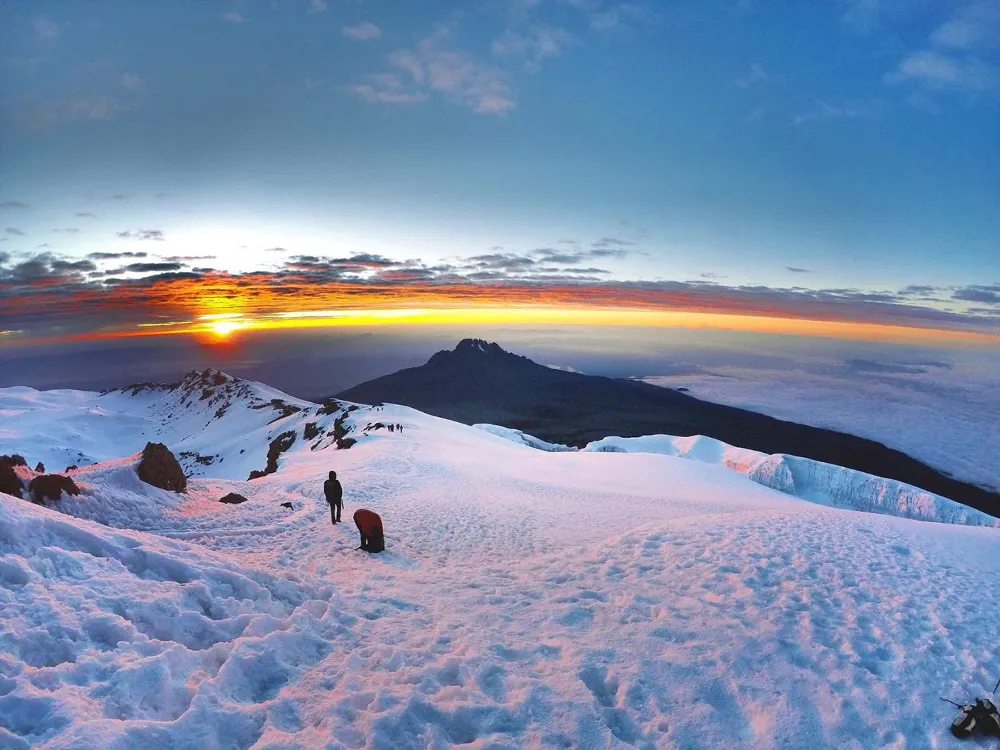
Choosing the right time to climb Mount Kilimanjaro is essential for a safe and successful summit. Weather patterns, trail conditions, and crowd levels vary throughout the year, affecting your trekking experience.
January – March (Dry Season)
Clear skies, lower rainfall, ideal summit conditions
Moderate crowds
Warm days, cold nights
June – October (Dry Season)
Cool and crisp weather
Excellent for summit attempts
Stunning sunrise and sunset views
April – May (Long rains)
Trails can be slippery and challenging
Lower number of trekkers, more solitude
November (Short rains)
Mild showers, slightly less predictable conditions
Fewer tourists, good for experienced climbers seeking peace
| Zone | Altitude | Daytime Temp | Nighttime Temp | Notes |
|---|---|---|---|---|
| Base / Cultivation | 1,000–2,000 m | 20–28°C | 15–20°C | Warm, tropical climate |
| Rainforest | 2,000–2,800 m | 15–22°C | 10–15°C | Humid, lush vegetation |
| Moorland / Heather | 2,800–4,000 m | 10–18°C | 5–10°C | Cool, dry air |
| Alpine Desert | 4,000–5,000 m | 0–10°C | -5–0°C | Harsh, windy, dry conditions |
| Summit / Arctic Zone | 5,000–5,895 m | -7–0°C | -15–-10°C | Freezing, snow, strong winds |
Acclimatize properly: Choose longer routes for gradual ascent
Avoid heavy rain months unless experienced and prepared
Check weather forecasts before starting your climb
Travel insurance: Cover high-altitude trekking
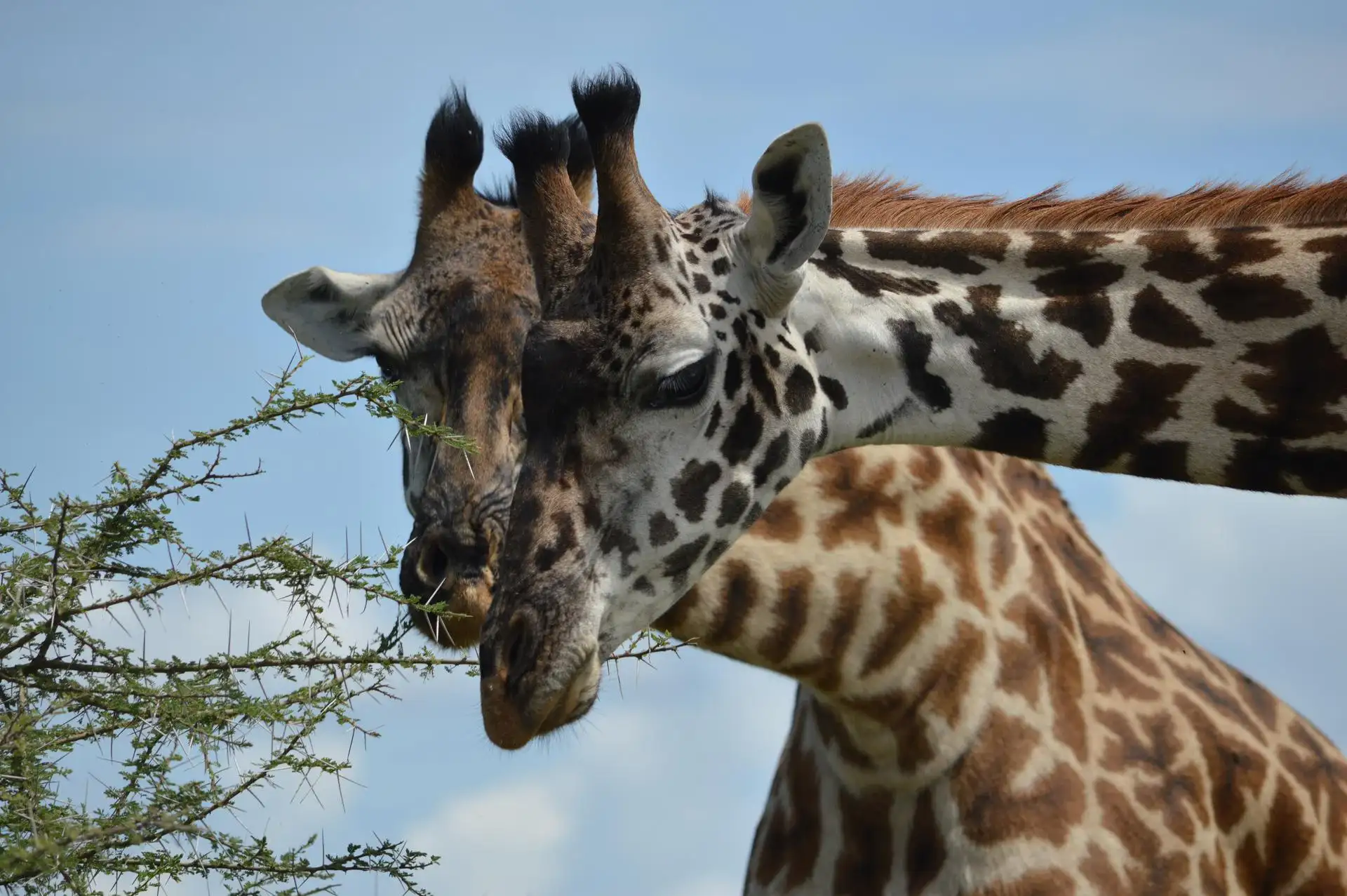
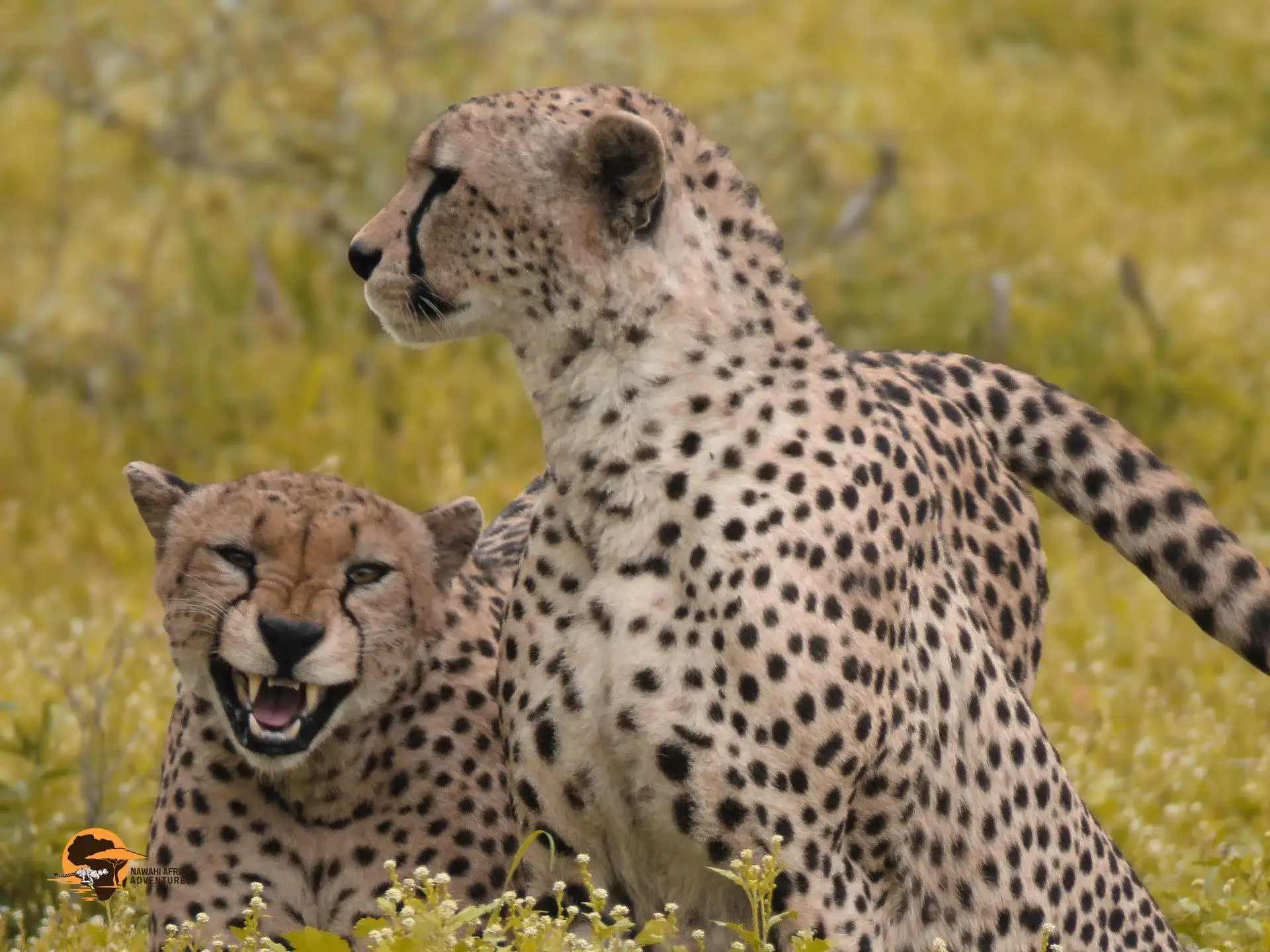
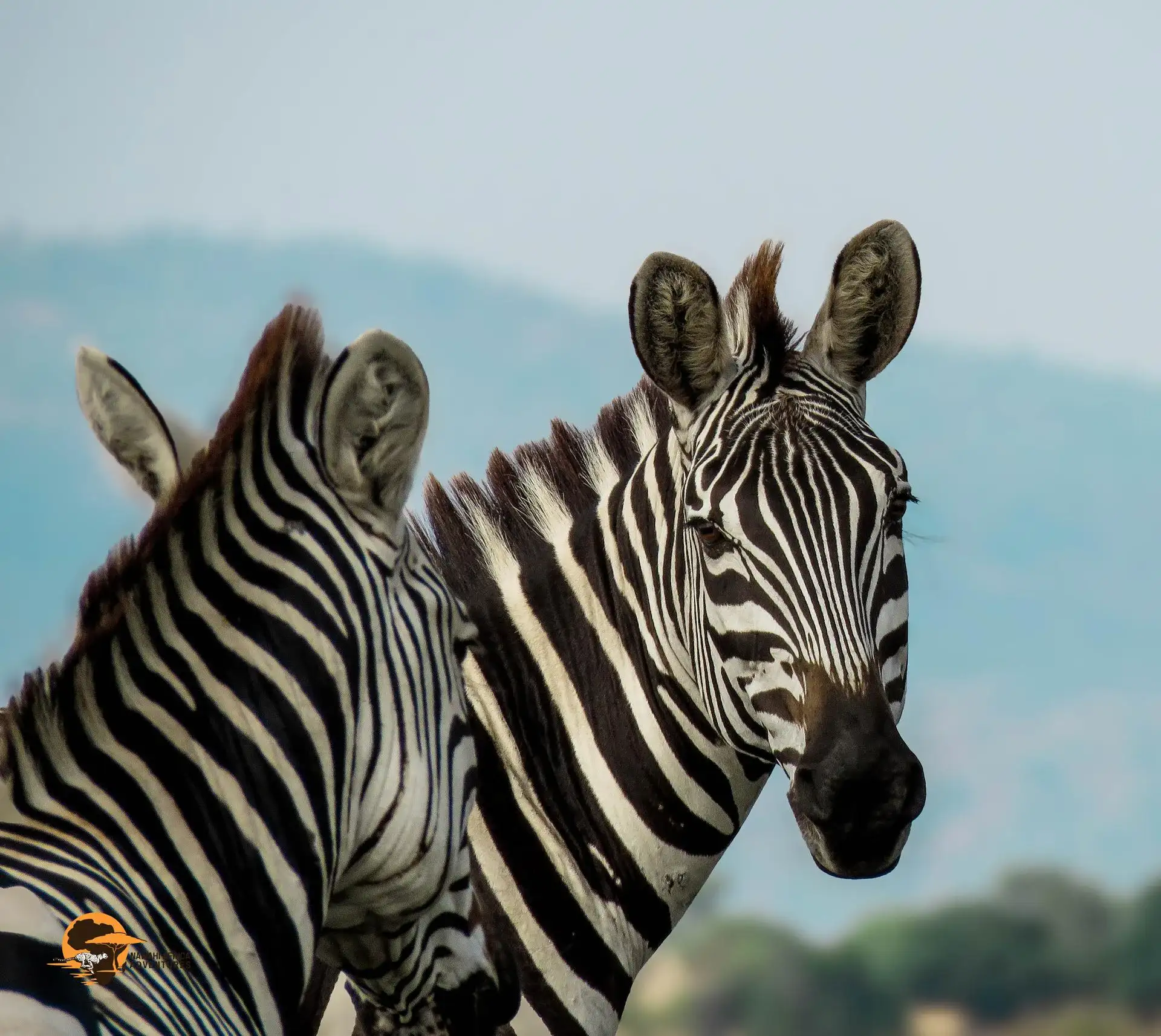
Our curated itineraries combine stunning destinations, authentic experiences, and expert planning to create the perfect Tanzania safari adventure.