Mount Kilimanjaro

HomeDestinationsMount Kilimanjaro

Mount Kilimanjaro – Africa’s Highest Peak

Mount Kilimanjaro, standing tall at 5,895 meters, is the world’s tallest free-standing mountain and Africa’s crown jewel for adventurers. Its snow-capped peak, diverse ecosystems, and awe-inspiring views make it an unforgettable experience for climbers of all skill levels.

Why Climb Mount Kilimanjaro?

Climbing Kilimanjaro is more than reaching a summit — it’s a journey through five unique ecological zones:

  1. Cultivation Zone – Lush farmland and villages at the base.

  2. Rainforest Zone – Dense tropical rainforest with wildlife and waterfalls.

  3. Heather & Moorland Zone – Dramatic landscapes, wildflowers, and volcanic terrain.

  4. Alpine Desert Zone – Harsh, arid terrain challenging climbers physically.

  5. Arctic Summit Zone – Snow, glaciers, and breathtaking views from the roof of Africa.

Experience: Adventure, personal challenge, unmatched scenery, and wildlife spotting along the way.

Kilimanjaro Climbing Routes

Each route offers different levels of difficulty, scenery, and summit success rates:

RouteDurationDifficultyHighlightsBest For
Marangu5–6 daysModerateHut accommodation, lush rainforestFirst-time climbers
Machame6–7 daysHardScenic, varied landscapesAdventure seekers
Lemosho7–8 daysHardRemote, high success rate, stunning vistasExperienced climbers
Rongai6–7 daysModerateNorthern approach, quieter routePeaceful trek
Shira7–8 daysHardRemote plateau, panoramic viewsNature photographers
Umbwe5–6 daysVery HardSteepest, fastestExperienced & fit climbers
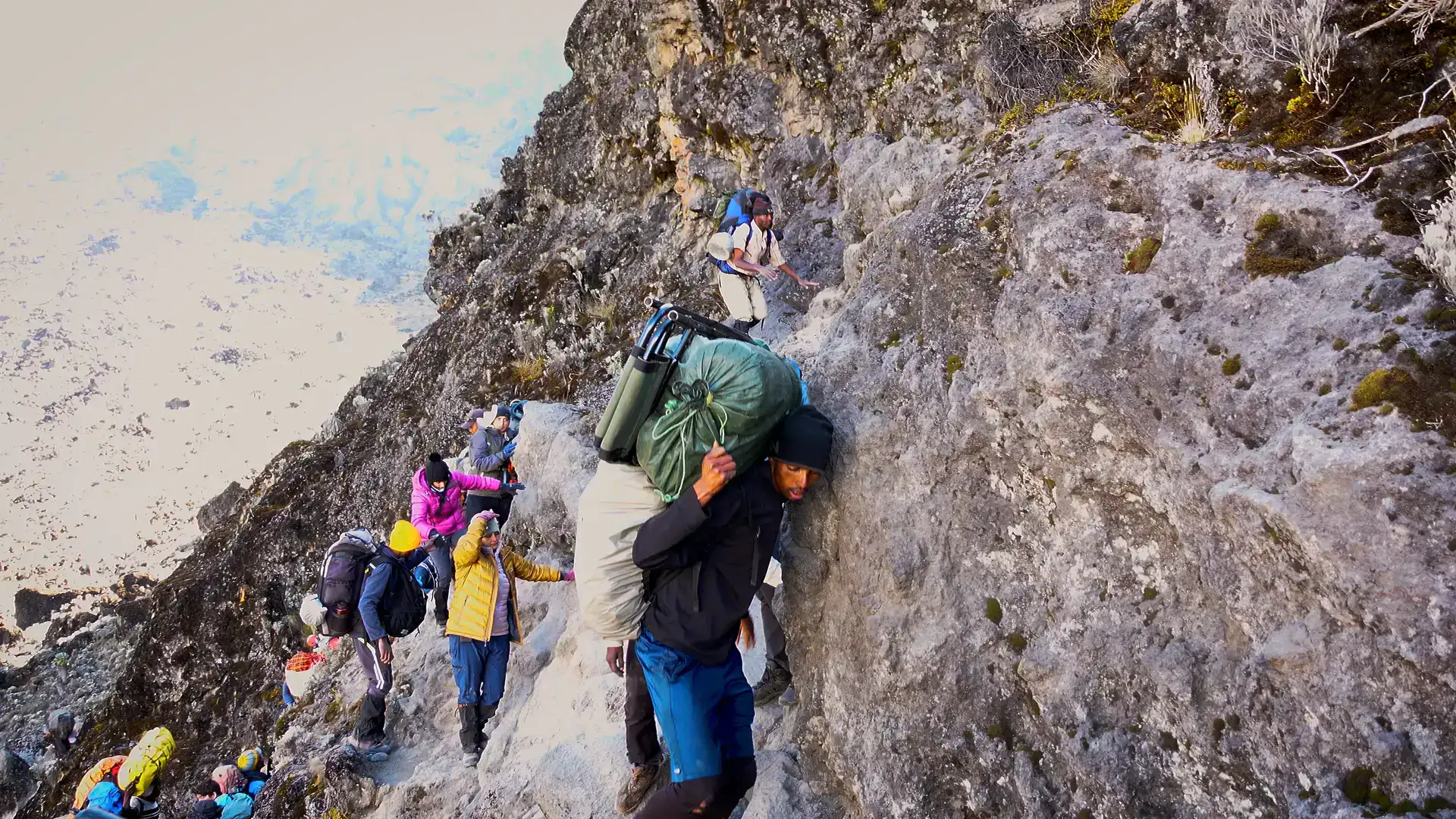
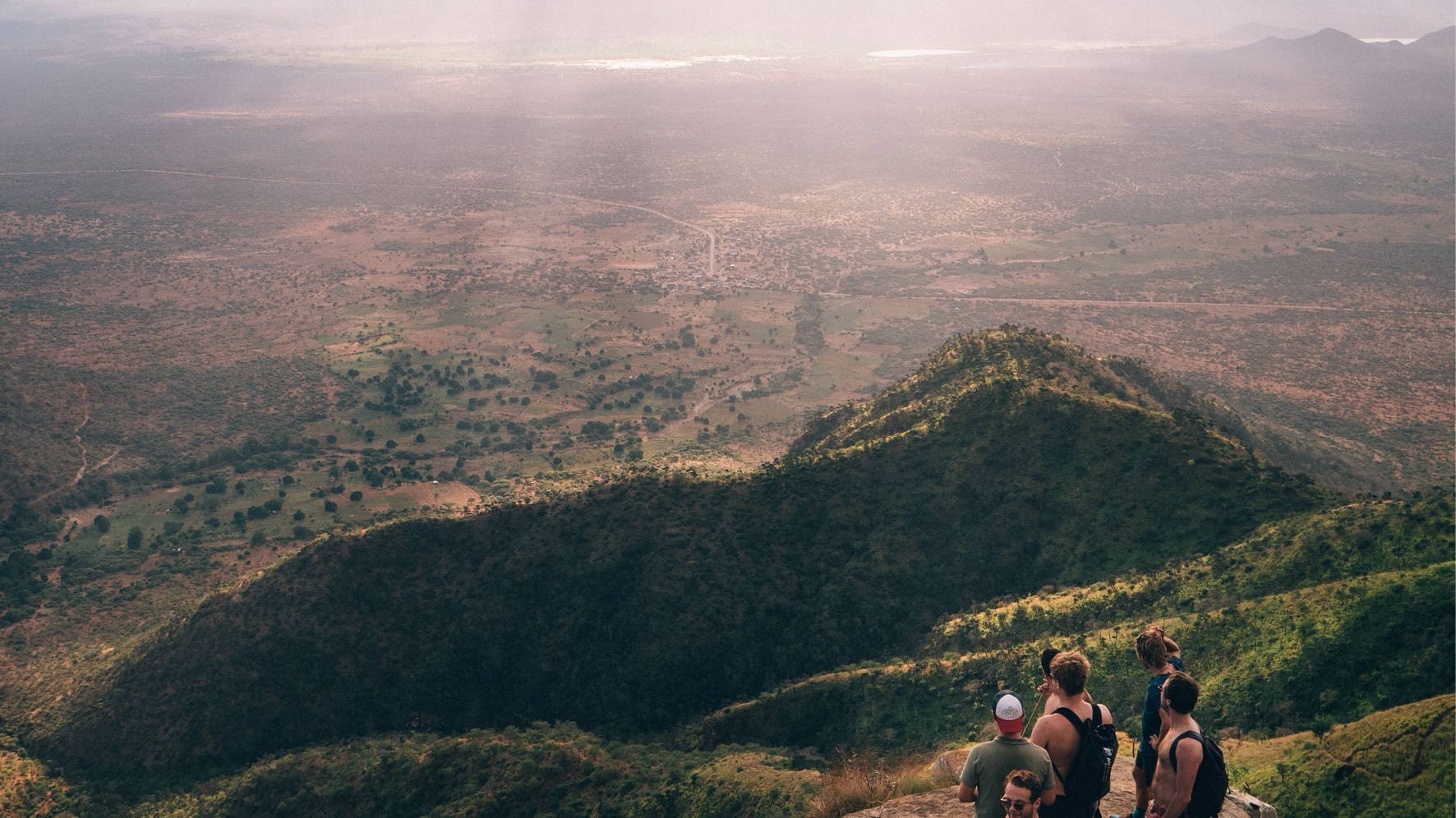
Climbers ascending Mount Kilimanjaro via the Umbwe Route, surrounded by rugged terrain and scenic mountain vistas.

Best Time to Climb Kilimanjaro

  • Dry Seasons:

    • January – March and June – October

    • Clear skies, lower rainfall, ideal summit conditions

  • Wet Seasons:

    • April – May (long rains)

    • November (short rains)

    • More challenging conditions but fewer crowds

Climbing Tips & Preparation

  • Acclimatization: Essential to prevent altitude sickness

  • Fitness: Moderate cardio and strength training recommended

  • Gear: Layered clothing, waterproof jacket, trekking poles, gloves, hat

  • Hydration & Nutrition: Drink plenty of water; snacks high in energy

  • Guides & Porters: Mandatory; support safety, logistics, and morale

Accommodation & Base Camps

  • Marangu Huts: Standard dormitory-style accommodation

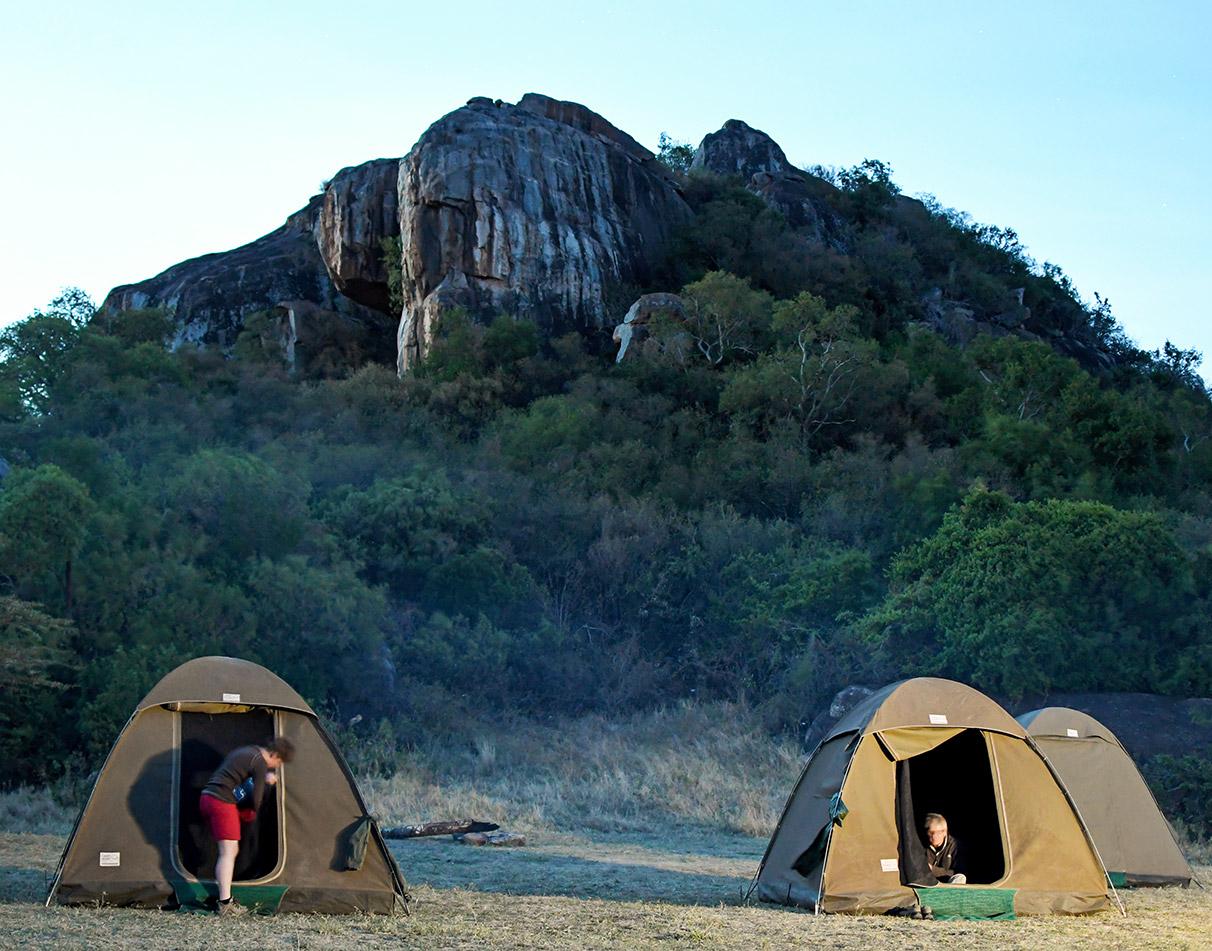
  • Machame, Lemosho Camps: Tents in scenic zones

  • Lodges near trailheads: Comfortable stays before/after climbs

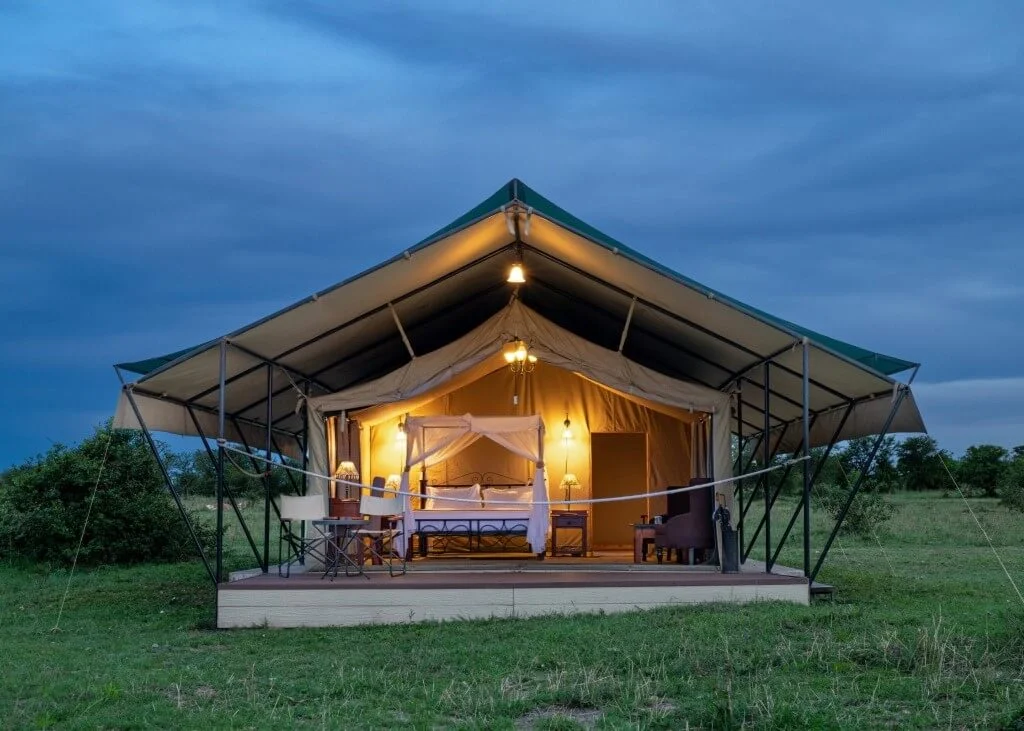
  • Luxury safari + Kilimanjaro packages: Combine mountain trekking with wildlife and beach relaxation

Combining Kilimanjaro with Safari

Many travelers extend their Kilimanjaro adventure with:

  • Arusha National Park – Game drives, cultural experiences

  • Tarangire & Ngorongoro Crater – Big Five safaris

  • Serengeti National Park – Wildlife migration viewing

  • Zanzibar beaches – Post-trek relaxation

Mount Kilimanjaro Safety & Health

  • Altitude sickness: Ascend slowly, monitor symptoms

  • Weather hazards: Be prepared for sudden changes

  • Professional guides: Enhance safety and summit success

  • Insurance: Travel insurance covering trekking recommended

Enquire

Journeys Crafted for You

Our curated itineraries combine stunning destinations, authentic experiences, and expert planning to create the perfect Tanzania safari adventure.

Enquire