
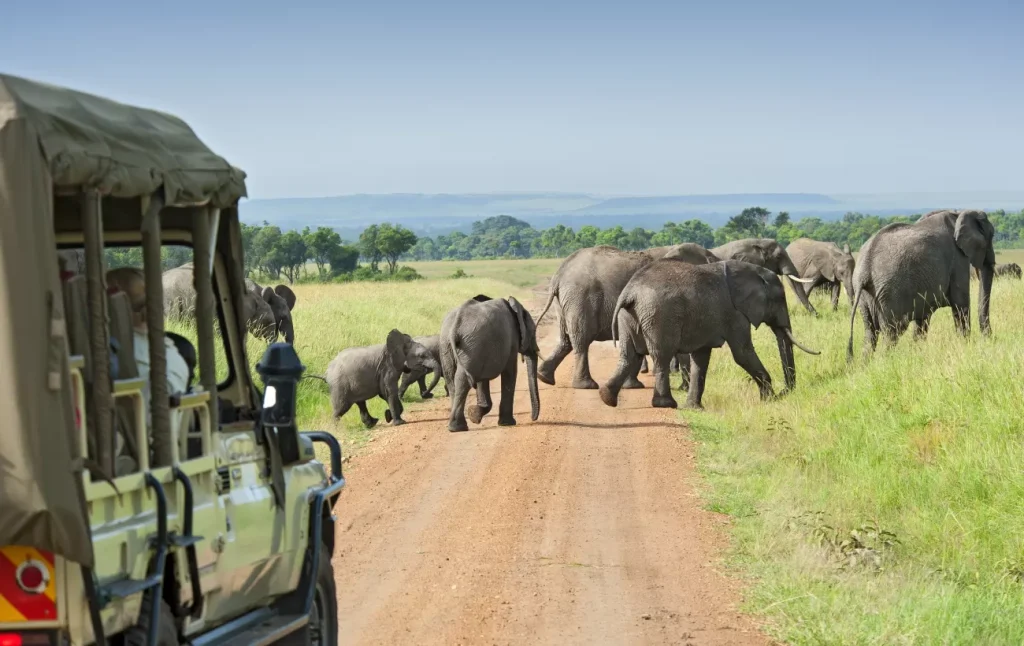
A Tanzania safari does not always have to begin in Arusha.
A Tanzania safari from Mwanza to Arusha offers a practical way to explore the western Serengeti and continue toward northern Tanzania. Whether you are interested in the Great Migration, diverse wildlife, or a private safari itinerary, choosing the right route can help you make the most of your time in Tanzania.
For travelers already in Mwanza, visiting Lake Victoria, attending a business event in western Tanzania, or arriving through a different part of the country, beginning a safari in Mwanza and finishing in Arusha can make practical sense. It also creates an opportunity to experience a different part of the Serengeti before continuing toward the famous northern safari circuit.
The idea is simple: start in Mwanza, explore the western side of the Serengeti, continue toward central Serengeti, and, if your schedule allows, add Ngorongoro Crater and Tarangire before finishing in Arusha.
But there is an important detail that deserves attention before you book. A route that looks short on a map can involve substantial driving time, and the best itinerary depends on where you want to spend your wildlife-viewing hours.
At Nawahi Africa Adventures, we believe a well-planned safari should make sense for the traveler, not just look impressive on an itinerary. That means considering your arrival point, travel dates, available days, accommodation preferences, and the wildlife experiences you care about most.
In this guide, we explain how a Tanzania safari from Mwanza to Arusha can work, which destinations may fit your journey, what to consider when planning the route, and how to decide whether this is the right way to experience Tanzania.
1. Why start a Tanzania safari in Mwanza?
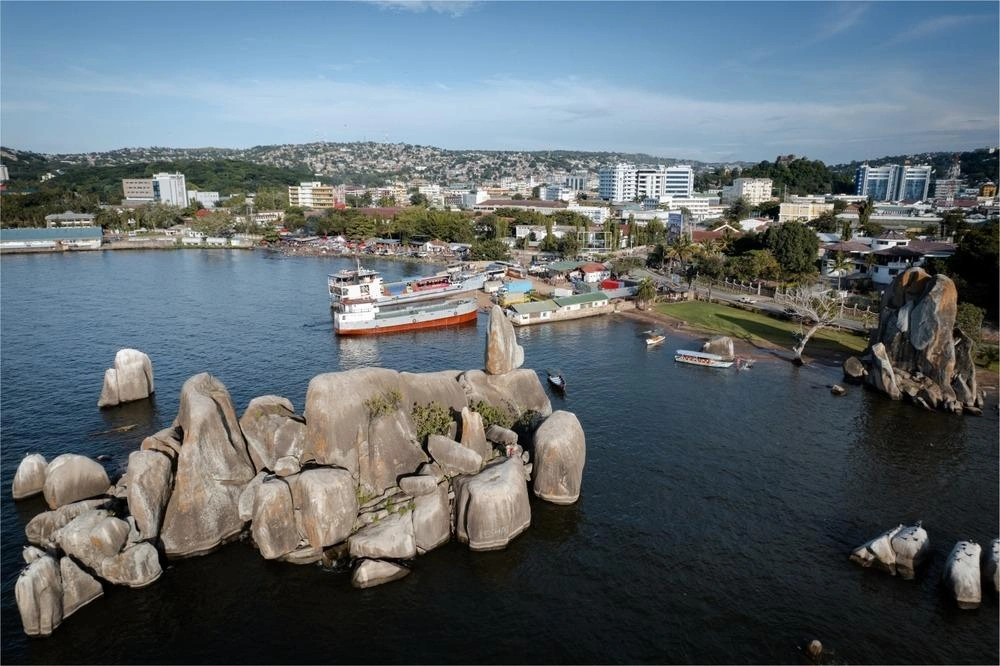
Mwanza sits on the southern shores of Lake Victoria and offers a different starting point from the more familiar safari gateway of Arusha.
For some travelers, Mwanza is already part of their plans. They may be visiting friends, working in the region, exploring Lake Victoria, or connecting from another destination in Tanzania. Instead of returning to Arusha before beginning a safari, it may be possible to plan a journey that moves from Mwanza toward the Serengeti and then continues east.
The main advantage is geographical. Mwanza provides access to the western boundary of Serengeti National Park, including the area approached through Ndabaka Gate. This can make it a useful starting point for travelers interested in the Western Corridor.
That does not automatically make Mwanza the best starting point for every Tanzania safari. If your main priorities are Tarangire National Park, Ngorongoro Crater, and other northern destinations, starting in Arusha may be more straightforward.
The decision should follow your existing travel plans and the places you want to visit.
A Mwanza-to-Arusha itinerary can be particularly appealing when you want to:
- Begin your safari close to Lake Victoria.
- Explore the western Serengeti before moving toward central Serengeti.
- Finish your trip in Arusha rather than returning to Mwanza.
- Combine a wildlife safari with a wider journey across northern Tanzania.
- Create a private itinerary around your own dates and interests.
The route is less about following a standard package and more about making different parts of Tanzania work together.
2. Understanding the Western Serengeti
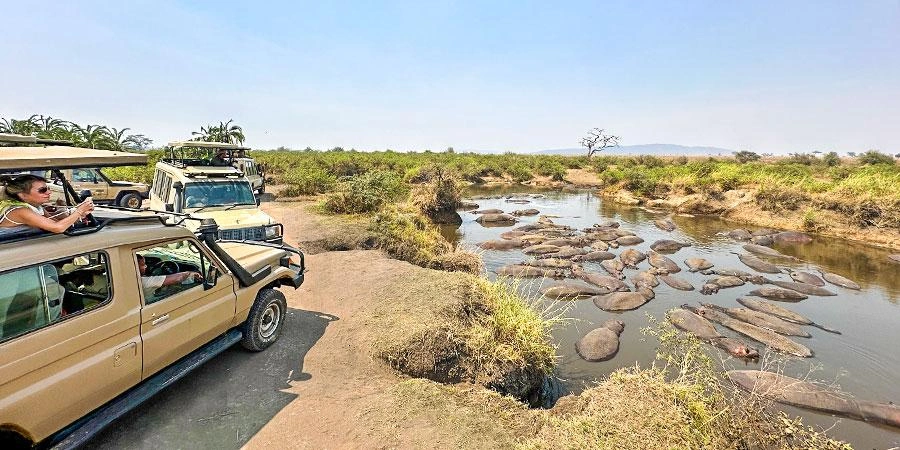
The Western Corridor is one of the distinct ecological regions of the Serengeti ecosystem. It is known for open grasslands, wooded areas, seasonal watercourses, and the Grumeti River.
For travelers who associate the Serengeti mainly with its vast central plains, the western region offers a different perspective on the park.
The Grumeti River is particularly associated with the Great Migration. Depending on the time of year and the movement of the herds, wildebeest and zebras may pass through the wider western region. The river and its surrounding habitat also support resident wildlife, including hippos and crocodiles.
However, migration is not a scheduled performance. Herd locations change with rainfall, grazing conditions, and other ecological factors. Visiting the Western Corridor does not guarantee that you will witness a river crossing or see a particular concentration of animals.
This is why choosing a safari area based on your travel dates matters.
If your visit falls during a period when the migrating herds are moving through the western region, the area may be an excellent fit. At other times, central Serengeti or another part of the ecosystem may better match your interests.
A knowledgeable safari planner should explain these possibilities honestly instead of promising a specific wildlife encounter.
What can you experience in the Western Corridor?
Depending on the season and your route, your experience may include:
- Game drives through grasslands and woodland habitats.
- Opportunities to look for lions, elephants, giraffes, buffalo, and other wildlife.
- Exploration of the Grumeti River area.
- Seasonal opportunities to observe migrating wildebeest and zebras.
- Changing landscapes as you travel farther into the Serengeti.
Wildlife sightings are never guaranteed. The purpose of a well-planned safari is to give you a realistic opportunity to explore the right habitats at the right time.
3. How the Mwanza-to-Arusha route works
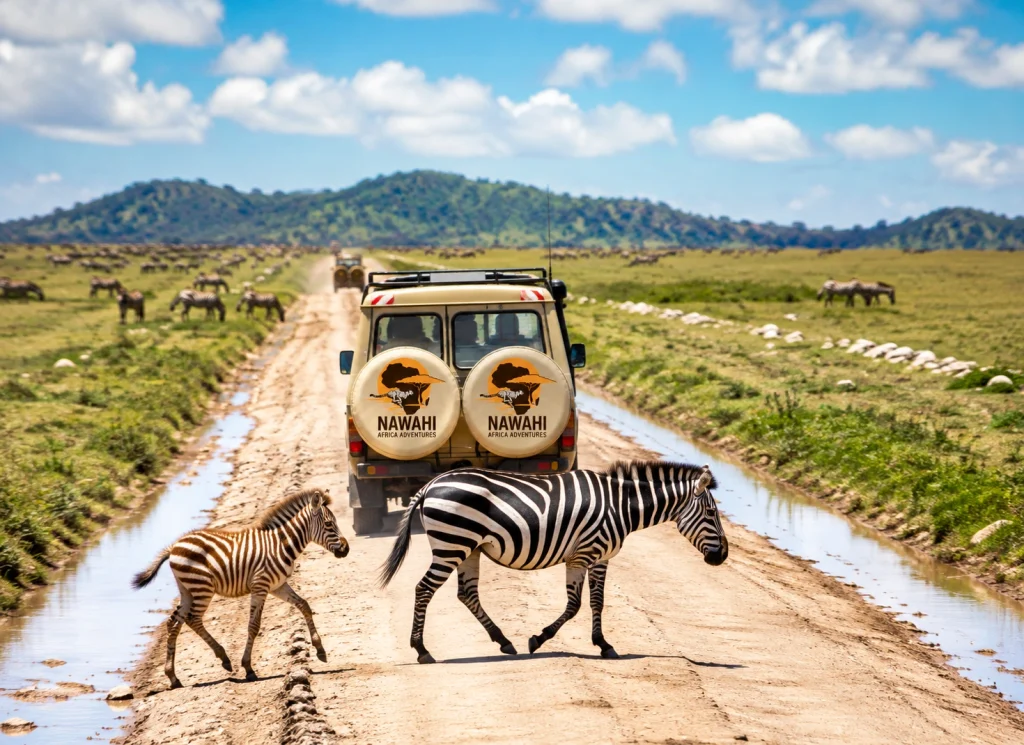
The route generally moves from western Tanzania toward the central Serengeti and then, if included, toward the Ngorongoro highlands and Arusha.
There are several ways to organize the journey, but three broad approaches are worth considering.
Option A: Mwanza to the Western Serengeti
Best for a short western-focused safari
Spend your available time exploring the western side of the Serengeti. This approach is suitable when your main interest is the Western Corridor and you are not trying to include every major northern park in a few days.
Option B: Mwanza, Western and Central Serengeti
Best for broader Serengeti exploration
Begin in the west, then continue toward central Serengeti. This gives you a chance to experience different habitats and spend time in areas known for resident wildlife, including large predators.
Option C: Mwanza, Serengeti, Ngorongoro and Arusha
Best for a multi-region safari
Continue from the Serengeti toward Ngorongoro Crater and finish in Arusha. Tarangire may also be included when you have sufficient time, although adding more parks means additional travel and overnight planning.
The right option depends on your trip length. A longer route is not automatically a better safari. Spending enough time in each destination can be more rewarding than rushing through several parks simply to include them on a list.
It is also important to confirm the exact route with your operator. Road conditions, park access, overnight locations, and seasonal travel conditions can affect the order of destinations and the time required to move between them.
4.How Many Days Do You Need for a Tanzania Safari from Mwanza to Arusha?
One of the most important questions is how much time you actually have.
The following examples are planning frameworks rather than guaranteed itineraries. The final route should be checked against your travel dates, road conditions, accommodation availability, and preferred pace.
| Available time | Suggested approach |
|---|---|
| 2–3 days | Focus on the western Serengeti or a tightly planned Serengeti experience. Avoid promising an extensive northern circuit. |
| 4–5 days | Consider the Western Corridor and central Serengeti, with a carefully assessed onward journey. |
| 6–7 days | Allow more time for Serengeti exploration and consider adding Ngorongoro Crater. |
| 8–10 days | A broader route may include western and central Serengeti, Ngorongoro, and potentially Tarangire. |
A short safari: prioritize one main region
If you have only a few days, decide what matters most. Is it the chance to see the Great Migration? Spending time in the Serengeti? Or reaching Arusha by a particular date?
Trying to include the western and central Serengeti, Ngorongoro, and Tarangire in a very short itinerary may leave you spending more time in transit than you expected.
A focused itinerary gives your guide more opportunity to work around wildlife sightings and allows you to enjoy the landscape without constantly watching the clock.
A longer safari: allow the landscape to unfold
With more days, you can create a journey that moves naturally between regions. You may begin with western Serengeti, continue through central Serengeti, then move toward Ngorongoro and the northern highlands.
This is particularly useful for travelers who enjoy varied scenery and want to combine several wildlife habitats in one journey.
The additional days should be used thoughtfully. Extra destinations are valuable when they add a genuinely different experience, not merely another name to the itinerary.
5. Should you include Ngorongoro Crater?

Ngorongoro Crater offers a very different landscape from the open plains of the Serengeti. Its enclosed volcanic caldera supports a wide range of wildlife and provides a concentrated game-viewing experience.
For many first-time visitors, it is a worthwhile addition to a Serengeti safari.
The crater floor can offer opportunities to see elephants, buffalo, zebras, wildebeest, lions, and, with luck, the endangered black rhinoceros. Sightings vary, and no operator can guarantee that you will see every species.
There is also a logistical consideration. Ngorongoro is not simply a short stop that can always be added without affecting the rest of the trip. The route from the Serengeti, your overnight accommodation, crater access arrangements, and onward journey all need to be coordinated.
If your trip begins in Mwanza and finishes in Arusha, adding Ngorongoro can make sense when you have enough days to explore the Serengeti properly and still allow for the journey toward the crater.
If you have only a few days, ask whether including Ngorongoro would reduce your time in the region you most want to experience.
A good itinerary should make those trade-offs clear before you commit.
6. Is Tarangire worth adding before arriving in Arusha?

Tarangire National Park is well known for its elephants, baobab trees, and diverse wildlife habitats. It can add another dimension to a longer Tanzania safari.
Unlike the Serengeti’s extensive plains, Tarangire has a landscape shaped by riverine areas, woodland, and seasonal changes in water availability. Wildlife distribution varies throughout the year, and the park can be especially rewarding when animals concentrate around available water sources.
Adding Tarangire to a Mwanza-to-Arusha journey may be attractive if you have enough time and want to experience several different parks.
However, Tarangire should not be treated as an automatic addition. Its suitability depends on the route, the number of nights available, and how much time you want to spend in the Serengeti.
For a traveler whose main objective is the Great Migration, additional time in the relevant Serengeti region may be more valuable than squeezing in another park.
For someone who wants a broader northern Tanzania experience, Tarangire can be an excellent option.
This is where a tailor-made itinerary becomes useful: the route can reflect your interests instead of forcing you into a fixed sequence.
7. When is the best time for this safari?
There is no single month that guarantees the best experience throughout the entire Serengeti. The right timing depends on which wildlife experiences matter most to you and which part of the ecosystem you plan to visit.
The Western Corridor is associated with the Great Migration at certain times of year, while central Serengeti supports resident wildlife throughout the year.
Seasonal patterns are useful for planning, but they should be treated as guides rather than promises.
Planning around the Great Migration
The Great Migration involves large herds of wildebeest and zebras moving through the Serengeti ecosystem in response to rainfall and grazing conditions. Their movements are not fixed to exact dates.
Travelers interested in the Western Corridor should discuss their intended travel dates with an operator who can assess current seasonal information and advise whether the western region fits the trip.
If witnessing a river crossing is your main objective, communicate that clearly before booking. You may need a flexible itinerary, and even then, a crossing cannot be guaranteed.
Visiting outside the main migration focus
A safari can still be rewarding when the migrating herds are elsewhere. Resident wildlife, landscapes, birds, and other animal behavior remain part of the experience.
Central Serengeti, for example, is known for its resident predators and year-round wildlife opportunities. Ngorongoro and Tarangire offer different habitats that can complement the Serengeti at various times of year.
Rather than choosing travel dates based on a single wildlife photograph, choose them around your available time, interests, and realistic expectations.
For a broader seasonal overview, see our guide to the best time to visit Tanzania for safari and the Great Migration.
8. Road safari or domestic flights?
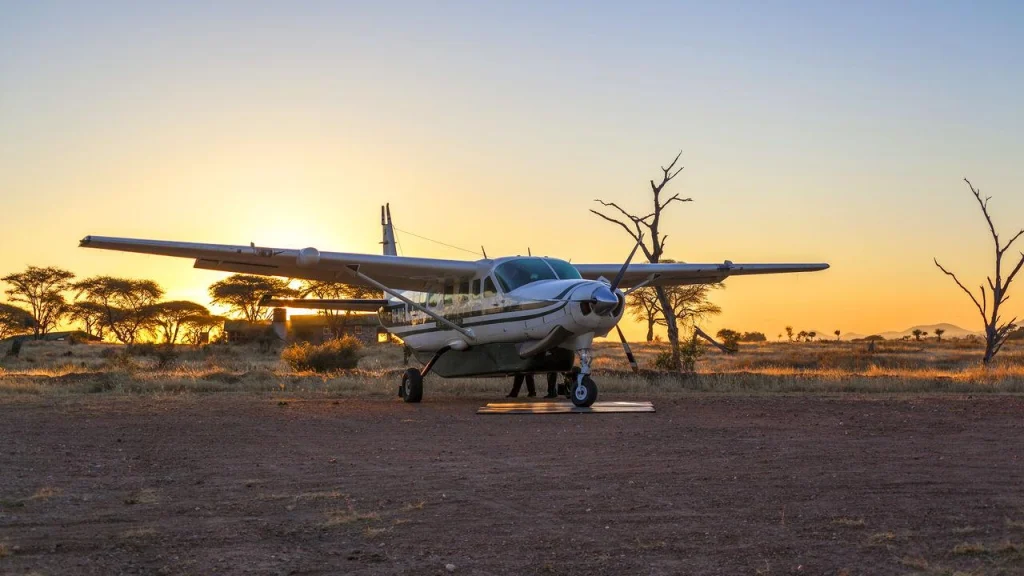
For a Mwanza-to-Arusha journey, transport choices can significantly affect the itinerary.
A road safari offers continuity. You can travel with your guide, observe the landscape changing between regions, and build a journey around a private vehicle. Depending on the route, the drive itself can be part of the experience.
Domestic flights can save time on selected legs. They may be particularly useful when you have limited days, want to avoid a long return transfer, or need to connect between distant destinations.
However, flying does not remove every transfer. You may still need to travel to an airstrip, wait for a flight, and transfer from the arrival airstrip to your camp or lodge.
Luggage restrictions also vary by airline and aircraft. Before booking, confirm the applicable weight allowance, bag dimensions, and whether your camera equipment or other special luggage requires advance arrangements.
The best choice is not always all-road or all-flight. A combination may give you the flexibility of road travel in one region and save time on a particularly long transfer elsewhere.
9. What affects the cost of Tanzania safari from Mwanza to Arusha?
There is no responsible single price that applies to every Mwanza-to-Arusha safari. The cost depends on the itinerary and the services included.
The cost of a Tanzania safari from Mwanza to Arusha depends on your group size, accommodation category, number of nights, park fees, and transport arrangements. Requesting a tailored quotation helps you understand the actual cost of your preferred itinerary.
The main factors are:
Number of travelers. A private vehicle and guide have costs that may be shared among the people traveling together. The per-person price can therefore change with group size.
Number of days and nights. Longer itineraries usually involve additional accommodation, meals, guiding, fuel, and other operating costs.
Accommodation category. Public campsites, standard lodges, mid-range tented camps, and luxury properties have different rates and levels of service.
Park and conservation fees. Fees depend on the parks visited, the applicable regulations, and the details of the itinerary. These should be calculated for the actual travel dates.
Transport arrangements. A road-based safari has different costs from an itinerary using domestic flights. Flight schedules, luggage requirements, and airstrip transfers may also affect the total.
Season and availability. Accommodation demand and availability can influence the options offered for your dates.
When requesting a quotation, ask for a clear breakdown of what is included and excluded. Confirm whether accommodation, meals, park fees, transport, game drives, and relevant transfers are covered.
It is also worth checking whether the quoted price includes airport transfers and accommodation before or after the safari. These details can make a meaningful difference to your total travel budget.
At Nawahi Africa Adventures, the aim should be to build a safari around the experience you want and provide a clear quotation for the route and services proposed.
10. Where should you stay along the route?
Accommodation should support the route, not determine it by default.
For a journey from Mwanza through the Serengeti toward Arusha, the location of each overnight stay matters because it affects the following day’s travel and game-viewing opportunities.
In the Western Corridor, staying in a suitable camp or lodge can give you more time to explore that region instead of spending the day moving toward another area.
Central Serengeti accommodation can be useful for travelers who want to devote more time to the central plains and surrounding wildlife habitats.
For a visit to Ngorongoro Crater, accommodation in the surrounding highlands or near the crater rim may help with an early start, depending on the final itinerary.
If Tarangire is included, your accommodation should be chosen to fit the park visit and the onward journey.
Before confirming any property, consider:
- Its exact location relative to the areas you plan to visit.
- The number of nights you will spend there.
- The accommodation category and room configuration.
- Meal arrangements and any dietary requirements.
- Transfer times to the relevant park gates or airstrips.
- Seasonal availability and the final confirmed rate.
A lodge that looks attractive online may not be the best choice if reaching it adds unnecessary driving to an already demanding day.
The goal is to match each overnight stay to the experience you want the following day.
11. Who is this route best suited for?
A Mwanza-to-Arusha safari can suit several types of travelers, but it is not the best choice for everyone.
Travelers already visiting Mwanza
If your plans already include Mwanza or Lake Victoria, this route can help connect that visit with a Serengeti safari without automatically returning to your original starting point.
Repeat visitors to Tanzania
Travelers who have already explored parts of the northern circuit may appreciate approaching the Serengeti from the west and experiencing a different route through the ecosystem.
Wildlife enthusiasts
Visitors with a particular interest in the Western Corridor may prefer an itinerary that gives that region sufficient time rather than treating it as a quick pass-through.
Couples and private travelers
A private safari can be adjusted around your interests, preferred accommodation level, and pace. This can be especially useful when your trip needs to connect several destinations.
Travelers with a fixed departure date
If you need to finish in Arusha for an onward flight or another commitment, a one-way route may be practical. The final day’s logistics must still be planned carefully around your departure time.
This itinerary may be less suitable for someone with only a very short visit who wants to see every major northern park. In that situation, starting in Arusha may be more efficient.
12. Common planning mistakes to avoid
A good safari plan considers more than the names of the parks.
Trying to include too many destinations. Every additional park affects the time available for game drives and transfers. Choose a route that allows you to enjoy the places you visit.
Assuming the migration will be in one place on a particular date. Herd movements vary. Ask for seasonal advice, but avoid treating any sighting as guaranteed.
Underestimating driving time. Road conditions, stops, park access, and the location of your accommodation can affect the schedule. Confirm realistic journey times for the exact route.
Choosing accommodation without checking its location. A property that is far from your intended wildlife-viewing area can add unnecessary travel.
Leaving onward travel until the last minute. If you are flying home from Kilimanjaro International Airport or connecting through another city, plan your final night and transfer with a suitable margin.
Comparing quotations without checking inclusions. A lower price may not cover the same accommodation, park fees, transport, meals, or transfers as another quote.
Assuming a one-way safari must be cheaper. Ending in a different city may reduce some backtracking, but the final cost depends on the complete route and operating arrangements.
The most useful question is not simply, “How many parks can I visit?” It is, “What will the days actually feel like, and how much time will I have to enjoy each place?”
13. A sample seven-day route
The following is an illustrative framework for a traveler who wants to begin in Mwanza, explore the Serengeti, and finish in Arusha. It is not a fixed departure schedule; the operator should confirm the exact route and overnight locations before booking.
Day 1
Arrive in Mwanza
Settle into your accommodation, confirm safari arrangements, and allow time for rest. If your arrival permits, you may explore part of the city or the Lake Victoria shoreline.
Day 2
Travel toward the Western Serengeti
Enter the western side of the park through the planned access route, subject to current arrangements, and begin wildlife viewing when time and conditions allow.
Day 3
Explore the Western Corridor
Spend time exploring the region’s habitats and wildlife. If migration viewing is important, the precise area should be selected according to seasonal information.
Day 4
Continue toward Central Serengeti
Travel through the Serengeti toward the central region, allowing for game viewing along the way where appropriate. Overnight location should match the route and remaining schedule.
Day 5
Central Serengeti game drives
Dedicate time to exploring the central plains and surrounding habitats, with the day’s route guided by wildlife activity and your interests.
Day 6
Continue toward the Ngorongoro area
Travel toward the highlands and overnight in a suitable location. Whether the journey includes additional game viewing depends on the route and the final accommodation.
Day 7
Ngorongoro visit and onward transfer
A crater visit may be possible if the itinerary, access arrangements, and departure time allow it. Otherwise, the route should be adjusted so that the final transfer is realistic and your onward flight is protected.
This seven-day framework is deliberately flexible. A full Ngorongoro Crater visit followed by a same-day transfer to an international flight may not be suitable for every departure time. In some cases, adding a night or changing the order of destinations will produce a better experience.
Tarangire can be added to a longer itinerary, but it should not be inserted without checking the available days and the total driving involved.
14. How Nawahi Africa Adventures can help
Planning a safari that begins in Mwanza and ends in Arusha requires coordination across different regions. The right route depends on more than choosing a famous national park.
You need to consider where you will arrive, which part of the Serengeti you want to explore, how many nights you can spend in each area, and whether your journey should continue to Ngorongoro or Tarangire.
Nawahi Africa Adventures is based in Arusha and creates tailor-made Tanzania safari experiences. We can help you consider the route that best matches your dates, budget, preferred accommodation, and wildlife interests.
Instead of starting with a fixed package, tell us what you want from the trip. Perhaps you are interested in the Great Migration, perhaps you want more time in the Serengeti, or perhaps you need to finish near Arusha for your onward travel.
Those details help shape a more practical itinerary.
To begin planning, share:
- Your preferred safari start date.
- The number of travelers.
- Your planned arrival point and departure airport.
- How many days you have available.
- Your preferred accommodation level.
- Whether your priority is migration viewing, general wildlife, photography, or a broader Tanzania experience.
From there, we can assess a suitable route and prepare a quotation based on the services and arrangements required.
15. Frequently asked questions
Can I start a Tanzania safari in Mwanza and finish in Arusha?
Yes. A one-way safari can be planned from Mwanza through the western Serengeti toward Arusha. The exact route depends on the number of days available, the parks you want to visit, and your onward travel arrangements.
Is Mwanza a good starting point for Serengeti?
It can be a practical starting point for travelers interested in the Western Corridor or those already visiting western Tanzania. For an itinerary focused mainly on Tarangire and Ngorongoro, starting in Arusha may be more convenient.
How many days do I need for a Mwanza-to-Arusha safari?
The route can be adapted to different trip lengths, but the more regions you want to visit, the more time you should allow. A short itinerary should focus on fewer destinations, while a longer journey can include more of the Serengeti and potentially Ngorongoro or Tarangire.
Can I see the Great Migration in the Western Serengeti?
The Western Corridor is associated with the migration at certain times of year. However, herd movements depend on seasonal conditions, and no specific location or river crossing can be guaranteed for your dates.
Can I include Ngorongoro Crater?
Yes, if your schedule and route allow it. The journey from the Serengeti toward Ngorongoro needs to be planned carefully, particularly if you have a fixed departure date.
Is a road safari better than flying?
Neither is always better. Road travel can provide a continuous guided journey and opportunities to experience the landscape between parks. Domestic flights can save time on selected routes but usually add cost and luggage restrictions. A combination may be suitable for some travelers.
Can I add Tarangire National Park?
Yes, especially if you have enough days for a broader northern Tanzania safari. The additional travel and overnight arrangements should be assessed before confirming the route.
How much does a Mwanza-to-Arusha safari cost?
The price depends on the duration, number of travelers, accommodation category, park fees, transport arrangements, season, and inclusions. Request a quotation based on your dates and preferred itinerary rather than relying on a generic price.
Can Nawahi Africa Adventures customize the itinerary?
Yes. Nawahi Africa Adventures creates tailor-made Tanzania journeys. Share your dates, group size, budget range, and main interests so the proposed route can be built around your needs.
Plan your Tanzania safari with Nawahi Africa Adventures
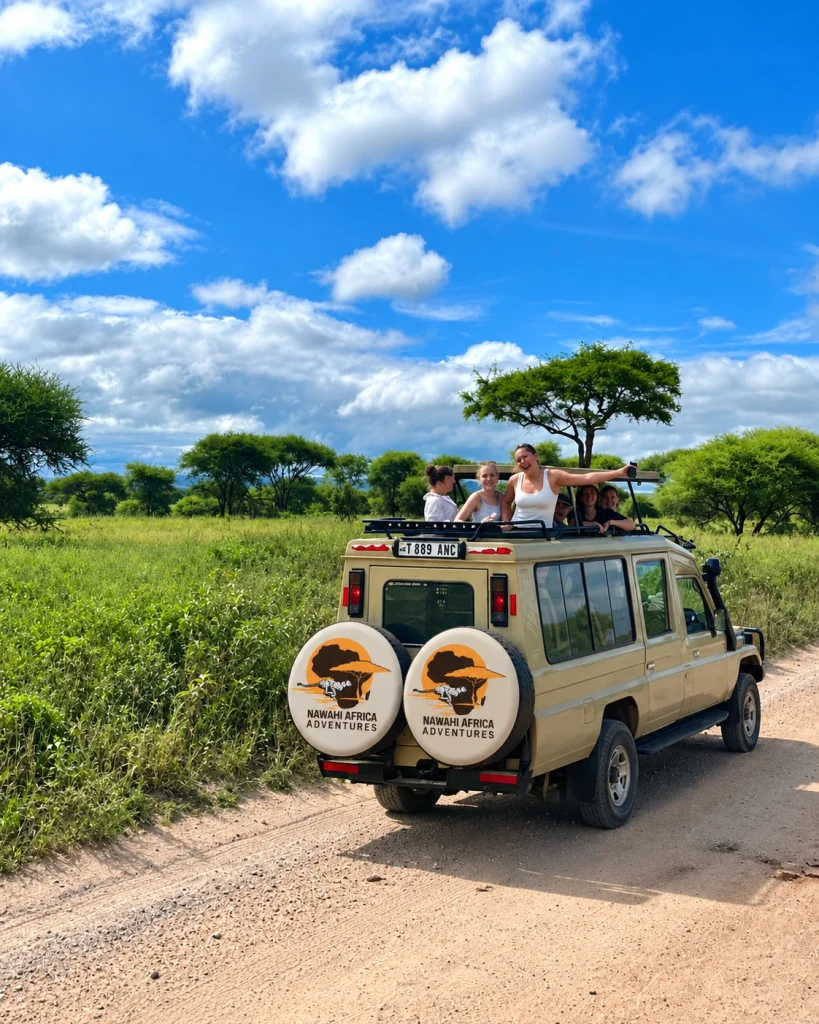
Your Tanzania safari should be shaped around the experience you want, not simply the number of places you can fit into a schedule.
Starting in Mwanza and finishing in Arusha can be a rewarding way to explore the western Serengeti and continue toward northern Tanzania, provided the route is planned around realistic travel times and the right overnight stops.
Whether you want to focus on the Great Migration, spend more time in the Serengeti, or combine several national parks in one journey, thoughtful planning makes a difference.
Ready to explore Tanzania from Mwanza to Arusha?
Contact Nawahi Africa Adventures to discuss your travel dates, preferred safari style, and the experiences you want to include. We will help you explore the available options and plan a journey that fits your trip.
- Website: nawahiafricaadventures.com
- Email: info@nawahiafricaadventures.com
- WhatsApp: +255 756 553 553
Your journey through Tanzania begins with a route that makes sense for you.
